Cargo ship at sea, the engines and coolers behind marine ultrasonic cleaning in NZ
Machines / New Zealand
Ultrasonic cleaner NZ · Marine · Manufacturing

Industrial ultrasonic cleaners for New Zealand, direct from Misonics

Misonics supplies industrial ultrasonic cleaners, chemistry and spares to New Zealand workshops and manufacturers, direct from Melbourne. MSX, EvoSonic, UltraTecno and UltraWash machines are specified by the engineers who write the cleaning process, tested before they ship, and supported across the Tasman.

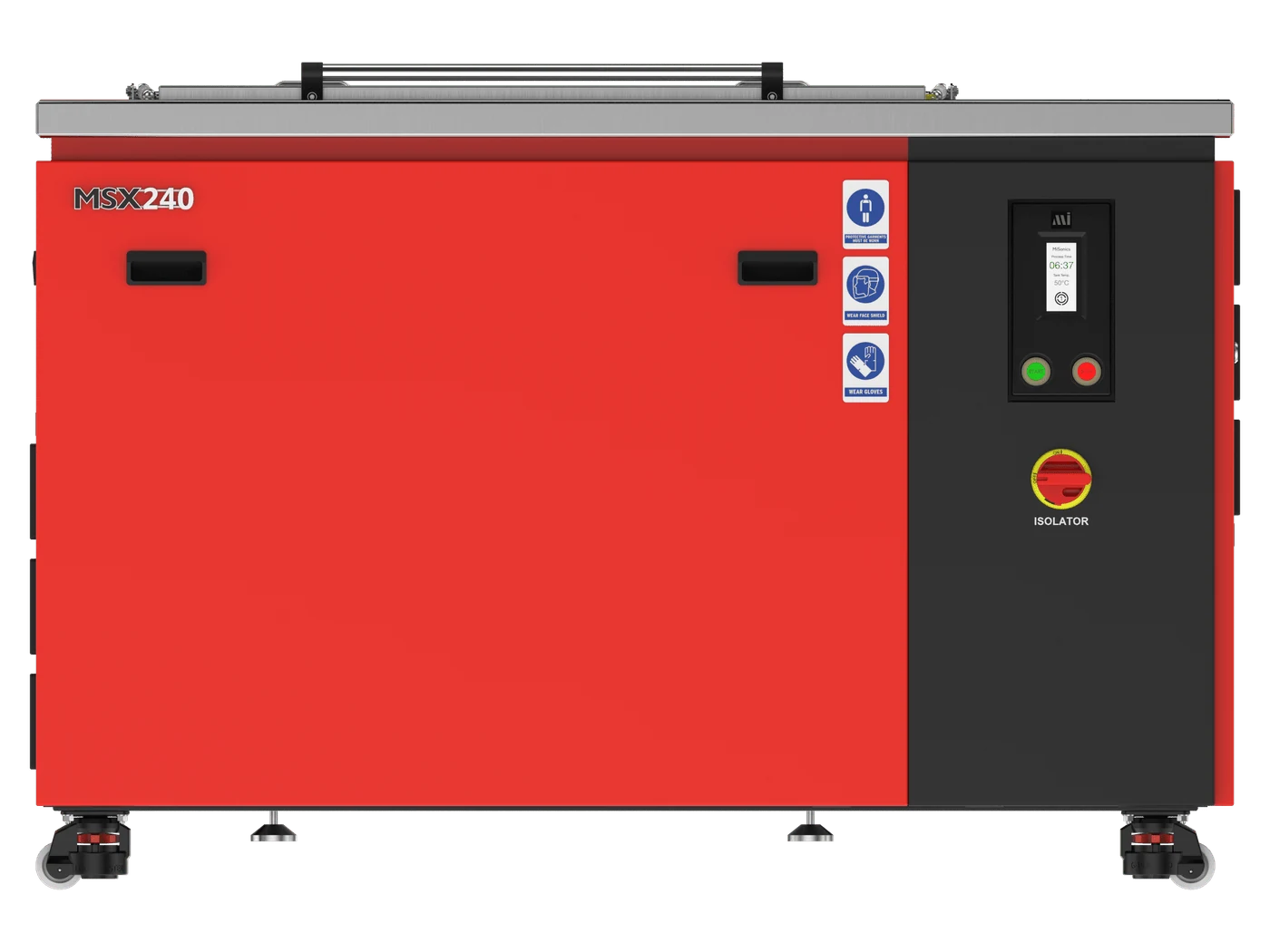
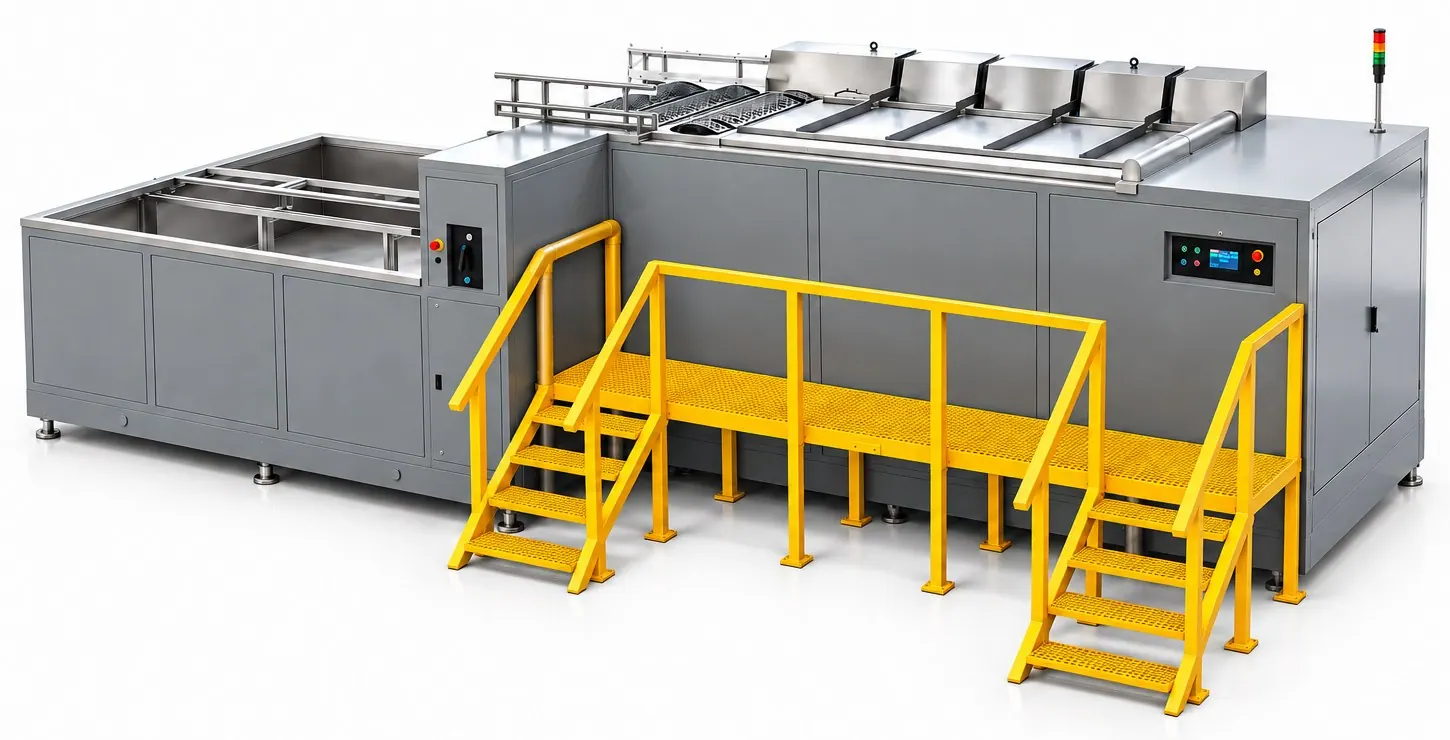
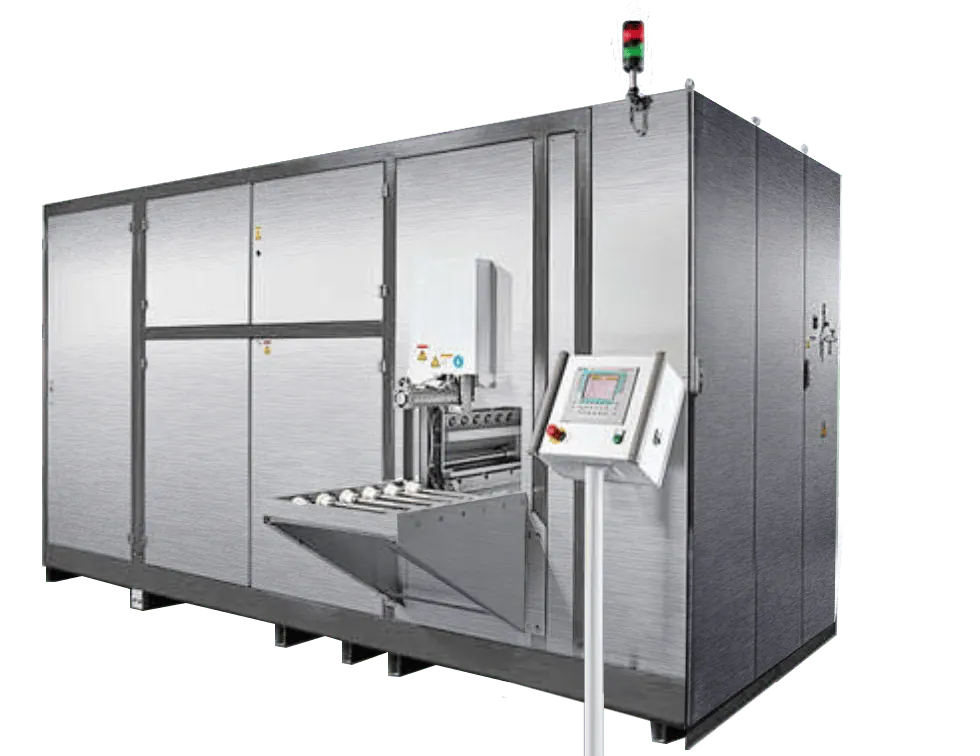
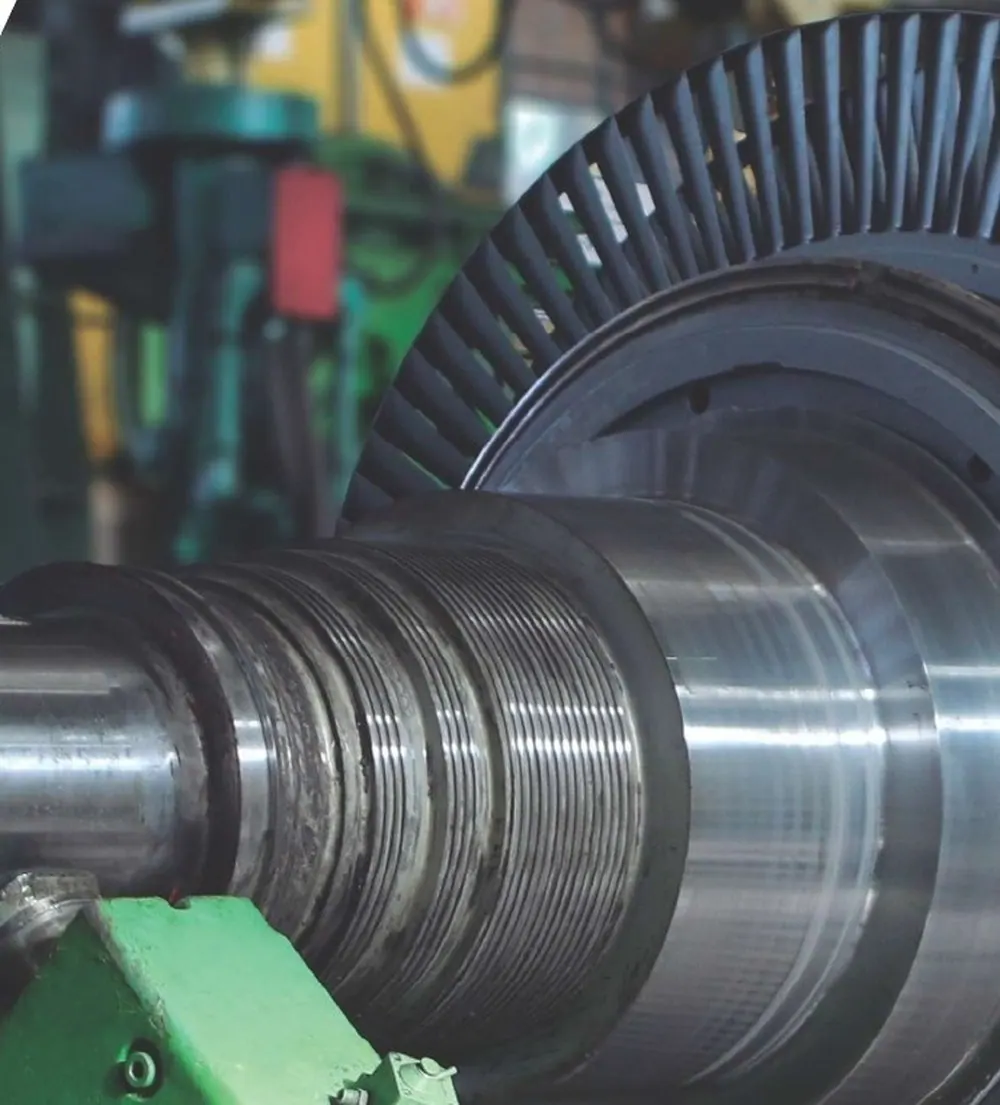
Benchtop machines plug into a standard New Zealand socket. MSX floor tanks take long parts and full baskets. EvoSonic and UltraTecno tanks take a full cooler, an engine block or a turbine rotor.
Ultrasonic cleaning New Zealand

Buy your ultrasonic cleaning machine direct from the source

New Zealand buyers deal with us direct. The same people specify the machine, test it, ship it and support it.

Direct from the source

Misonics specifies, imports, tests and supports every machine on this page. You deal with the engineers who set up the process from the first enquiry.

Same machines, same chemistry

The machines and chemistry we supply to Australian workshops. MSX floor machines are made in Australia. See all cleaning chemicals.

Specified to your parts

Technical sales picks the machine, chemistry and cycle from your parts, soils and throughput, then writes the cycle settings down.

Tested before it ships

Every machine gets a four-hour load and cavitation test before it leaves Melbourne.

Spares held in Australia

Transducers and resonator assemblies are replaceable service items. Spares are held in Australia and shipped across the Tasman.

Support covers New Zealand

Phone, video and remote sessions from Melbourne. Our support covers Australia, New Zealand, PNG and Indonesia. See the FAQ and warranty.

From our own jobs

Coolers, pistons and optics, before and after

Parts from real service, photographed as they came in and after the ultrasonic cycle.

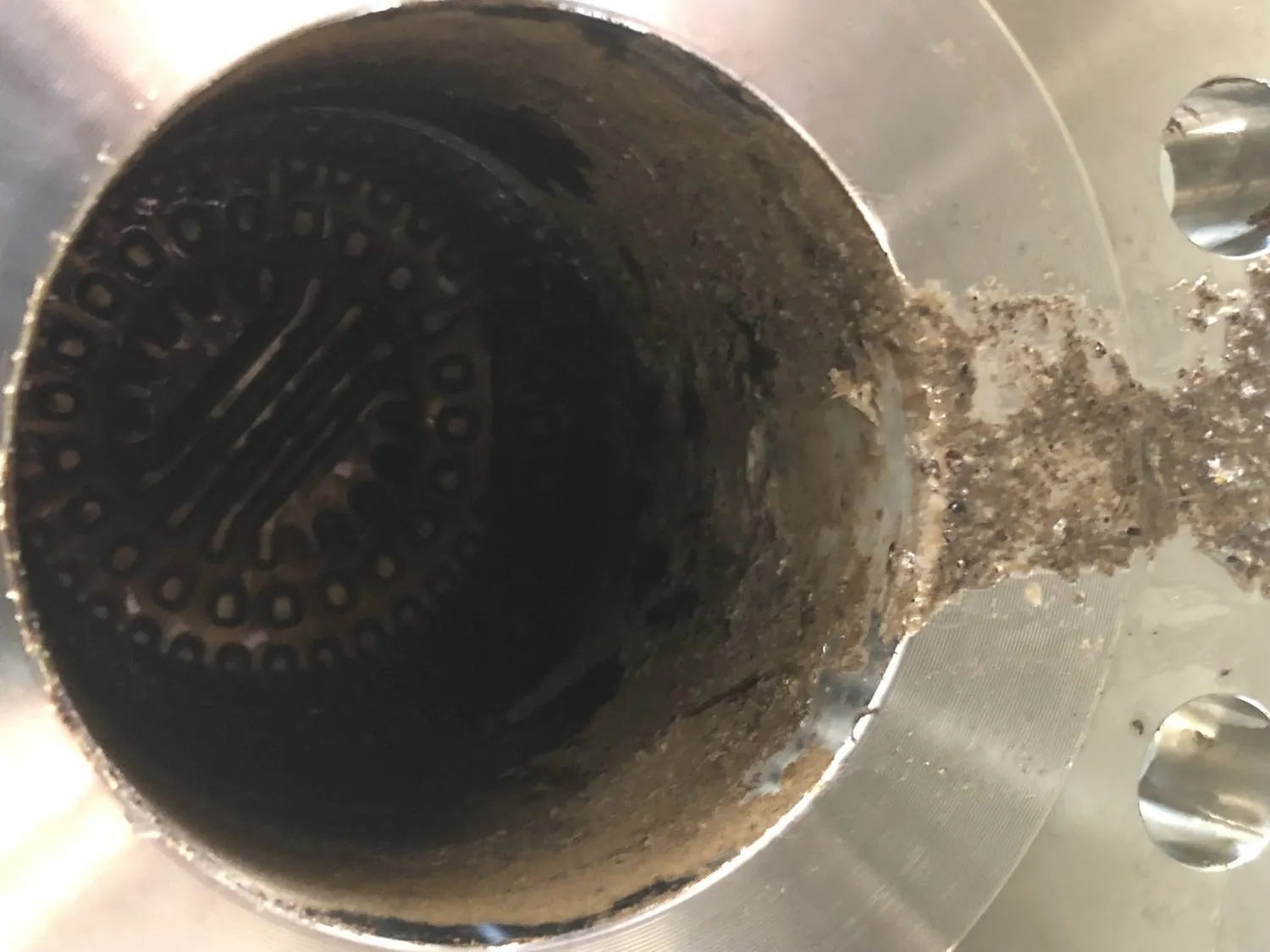
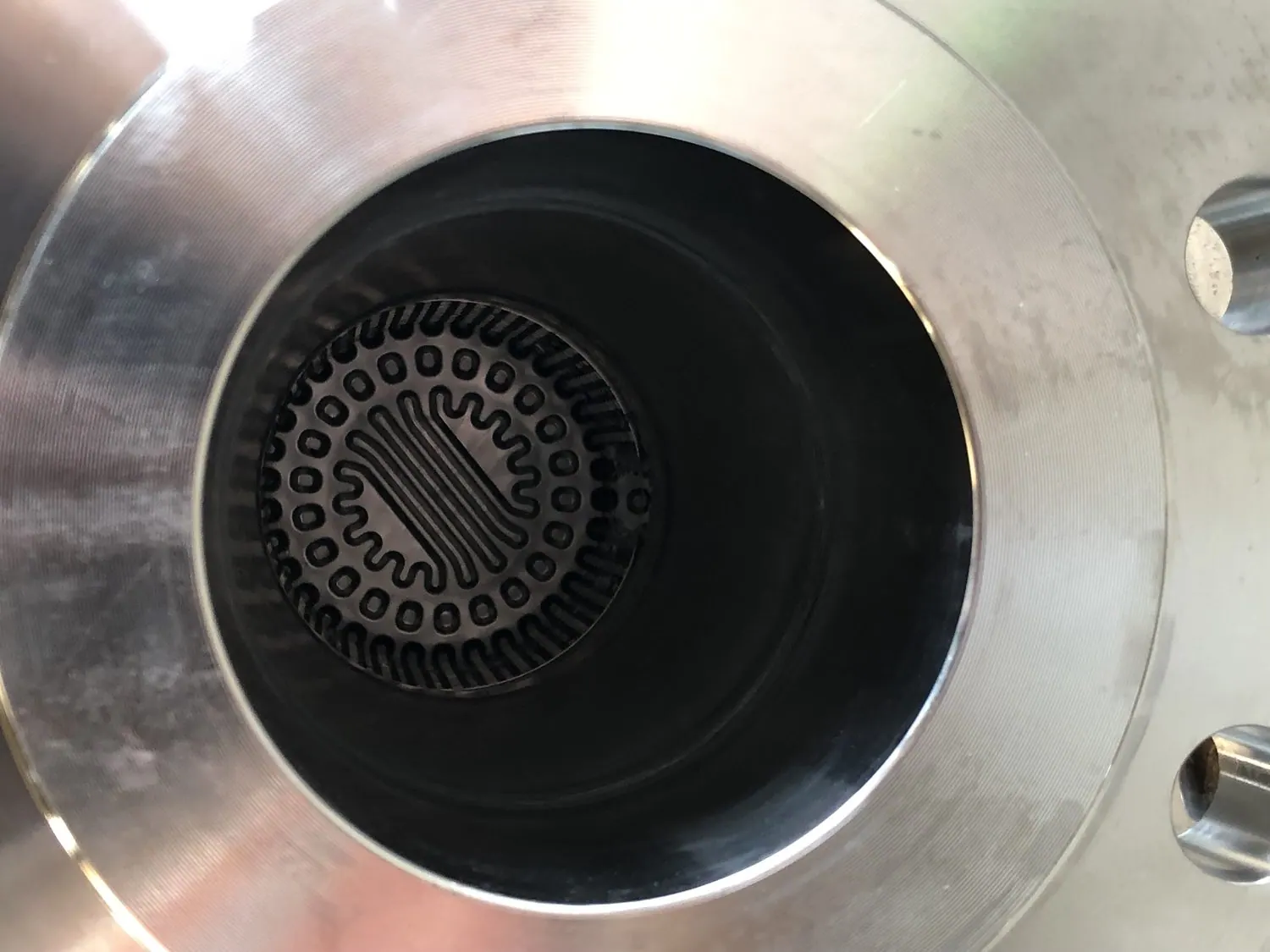
Heat exchanger tube ends bridged with scale and oil sludge
As received
The same tube ends open after the immersion cycle
After cycle

Exchanger tube ends. Scale and oil sludge bridged the tubes at the flange face. The same bore after the immersion cycle, with no rodding. See the cooler and exchanger case study.

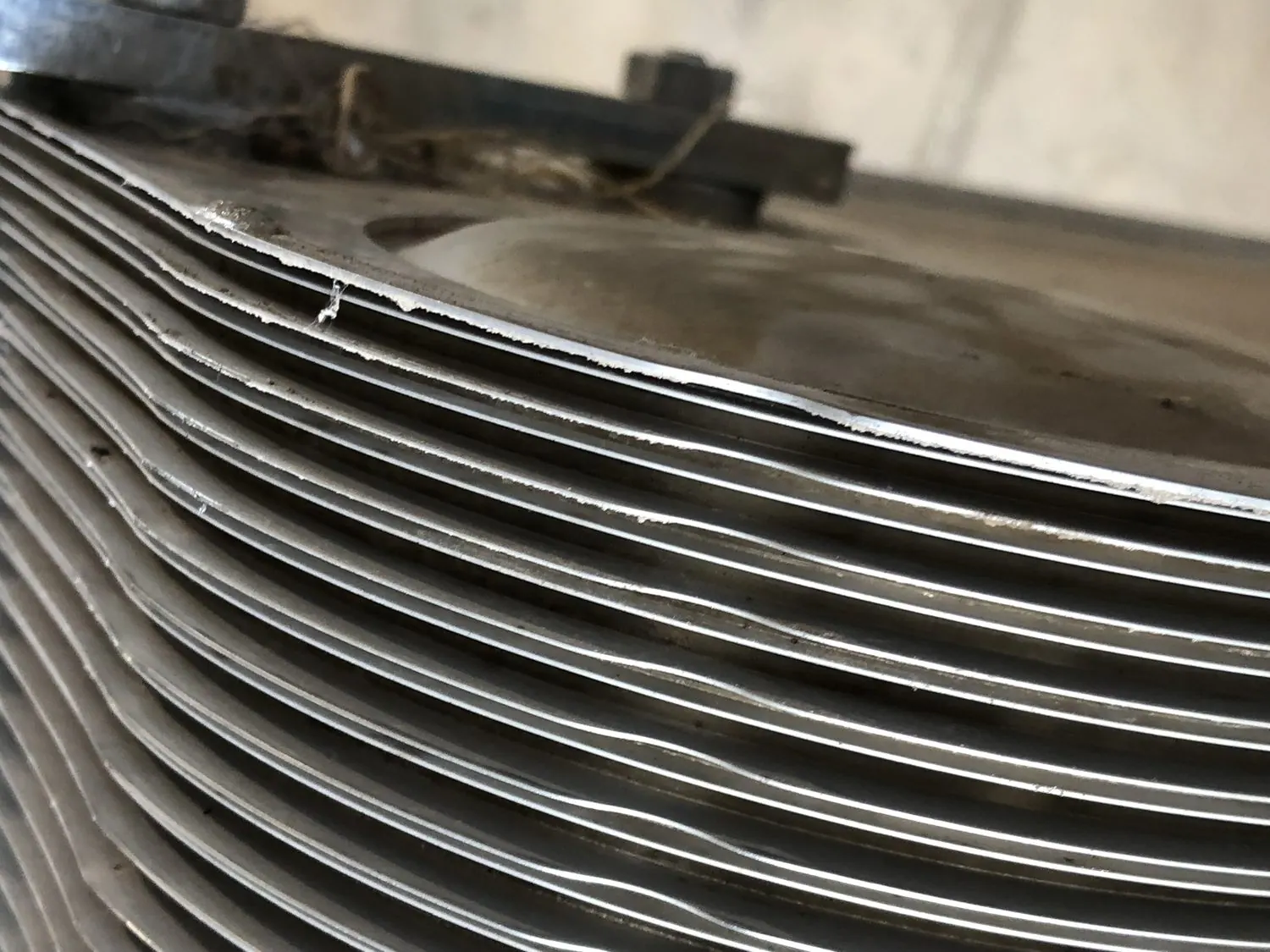
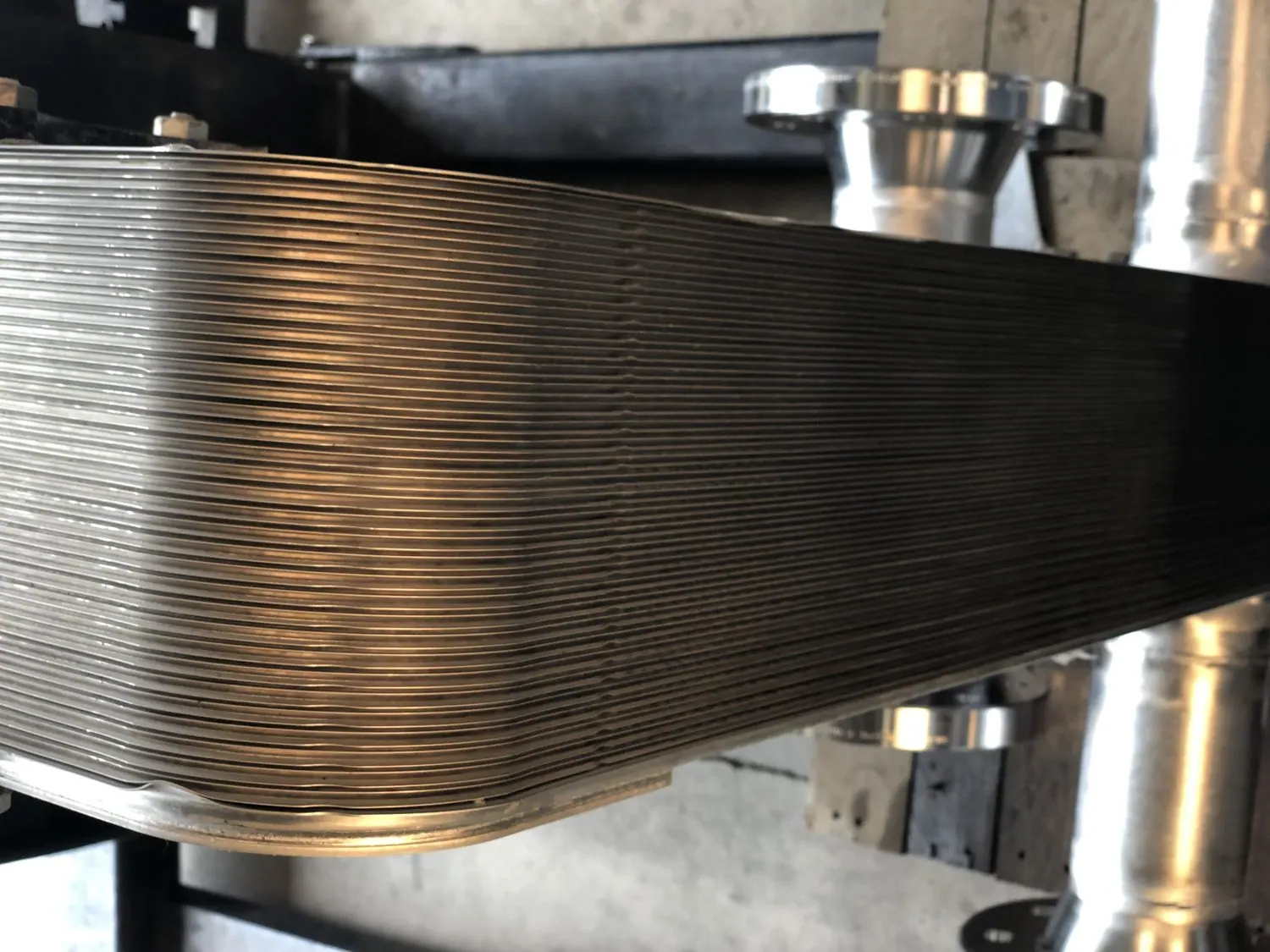
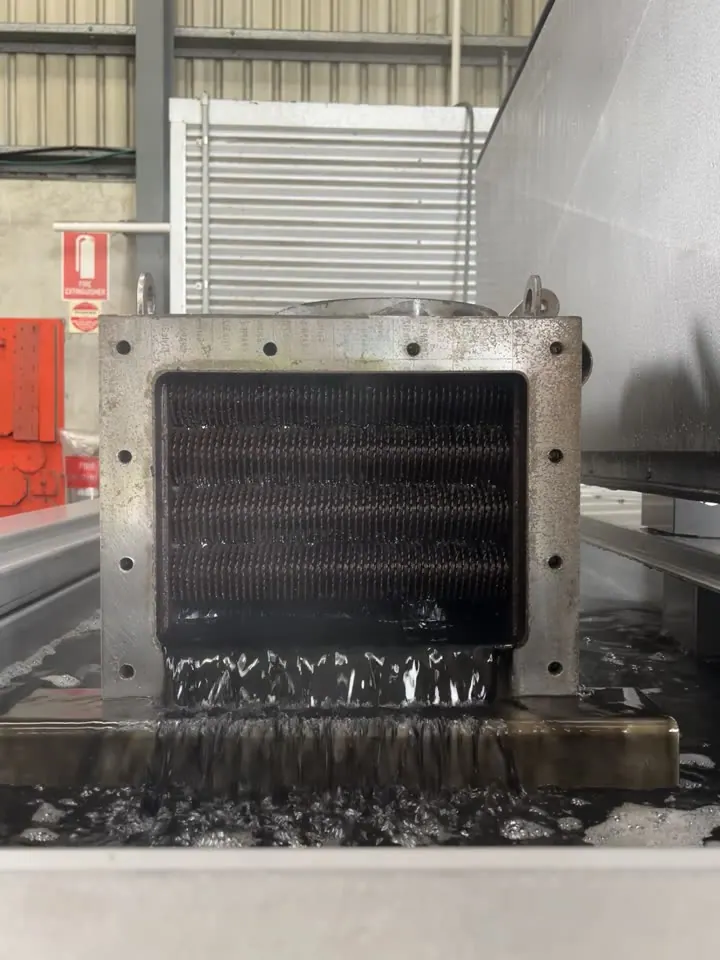
Cooler fin pack fouled between the fins
As received
The same fin pack clean after the cycle
After cycle

Cooler fin pack. Fouling out from between the fins in one immersion. No pressure washer, so no bent fins.

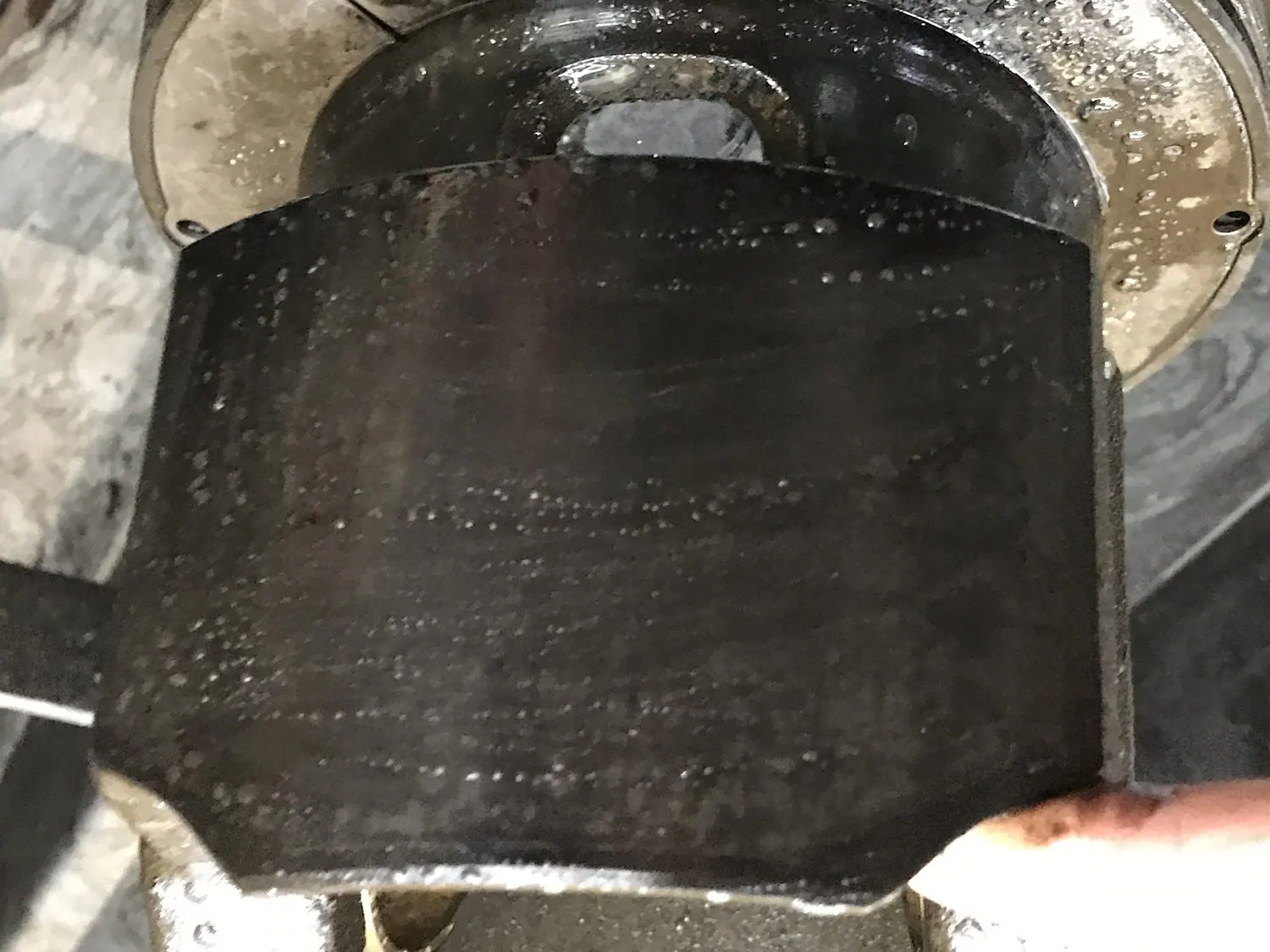
Large-bore diesel piston skirt and crown covered in baked carbon
As received
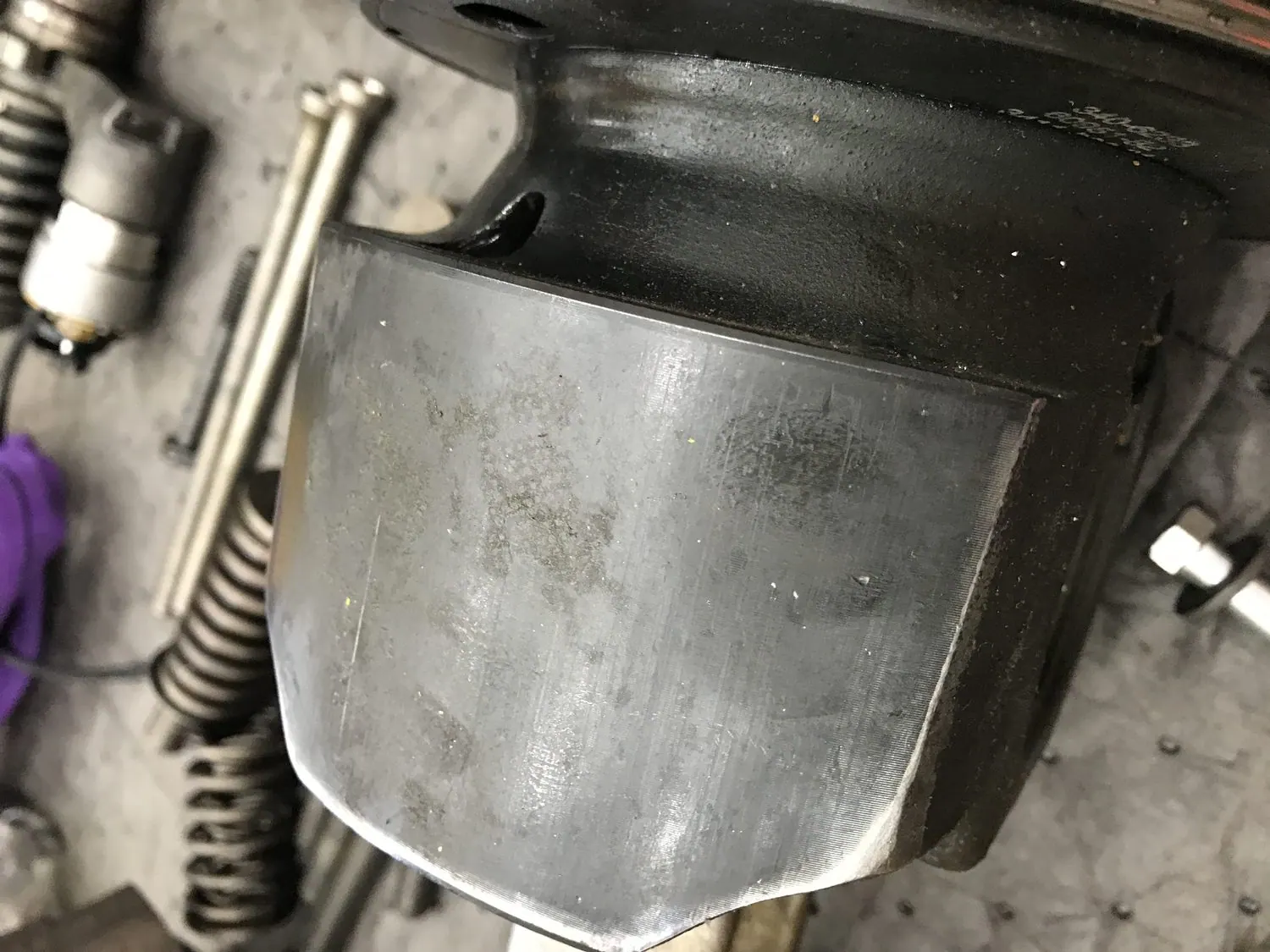
The same piston back to bare aluminium
After cycle

Large-bore diesel piston. Baked carbon off the skirt and crown. Bare aluminium with no blasting, no scraping and no change in size. See piston ring grooves.

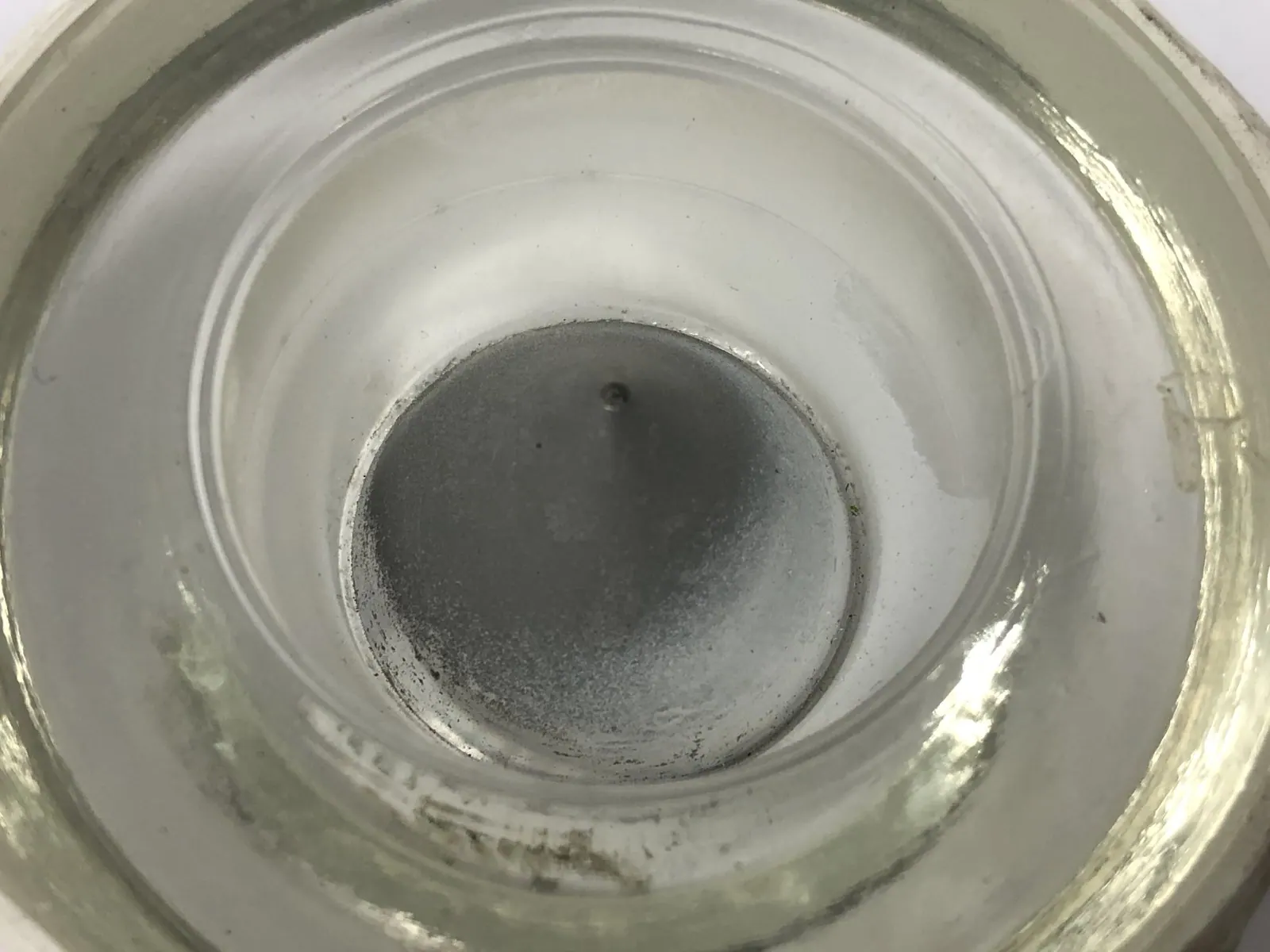
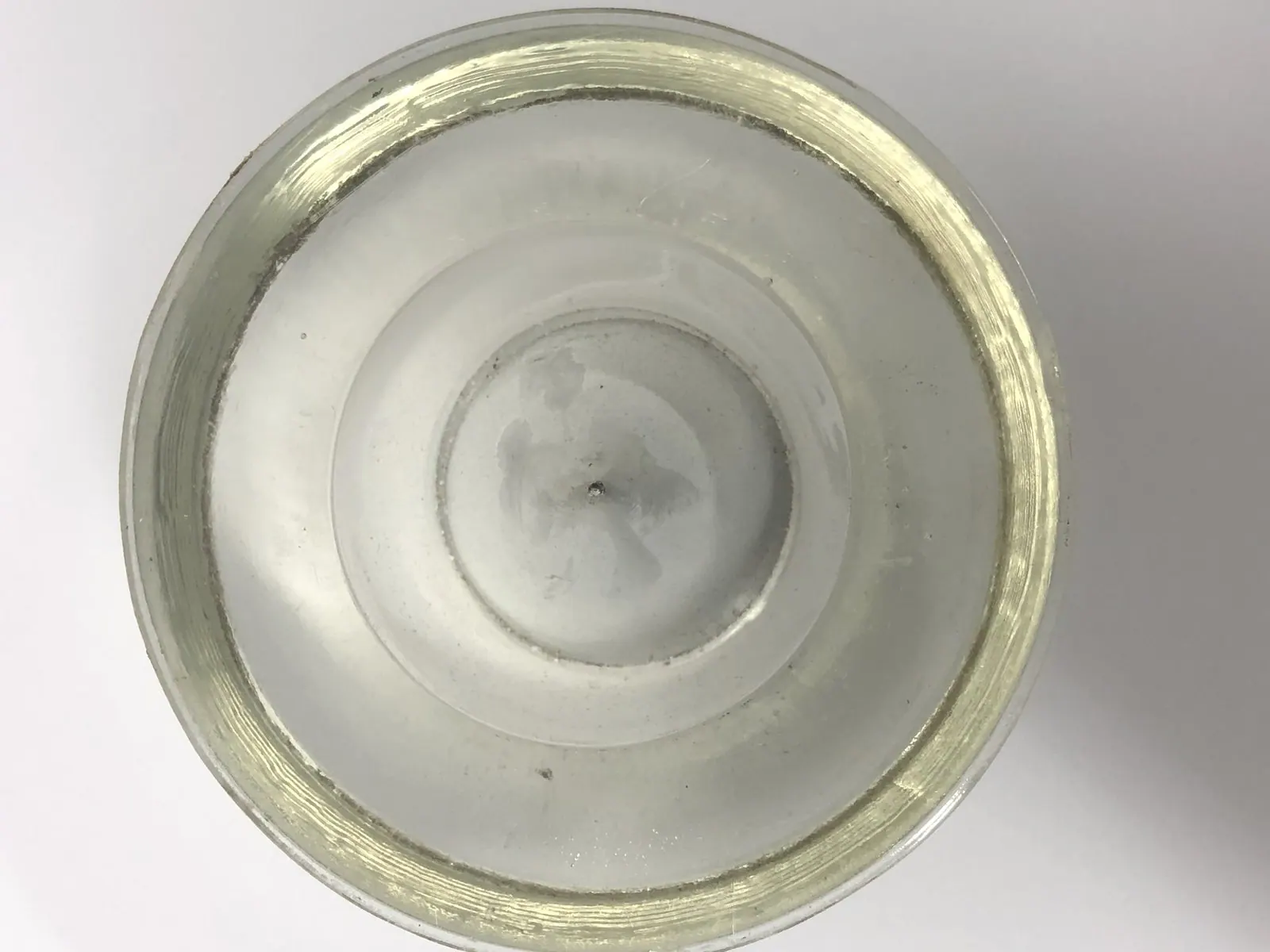
Airfield light lens centre optic covered in tyre rubber and runway dust
As received
The same lens optic clear after the cycle
After cycle

Airfield light lens. Tyre rubber, fuel residue and runway dust off the centre optic. Brulin 1696 GD at 20% and 50 °C for twenty minutes, with nothing touching the glass. See the lens case study.

Marine

Marine ultrasonic cleaning in NZ

Seawater leaves salt, scale and marine growth on one side of the machinery. Fuel and oil leave carbon and sludge on the other. Marine ultrasonic cleaning reaches both inside the passages, where rodding and pressure washing do not.

Engine and propulsion

Injectors, fuel pumps, turbochargers and cylinder components. Combustion residue off precision fuel hardware. Start with an MSX 30.

Heat transfer

Plate and shell exchangers, charge-air coolers, box coolers and oil coolers. Growth and scale out of the pack in an EvoSonic or UltraTecno tank.

Seawater systems

Pumps, valves and strainers in bronze, copper-nickel and stainless steel. See marine.

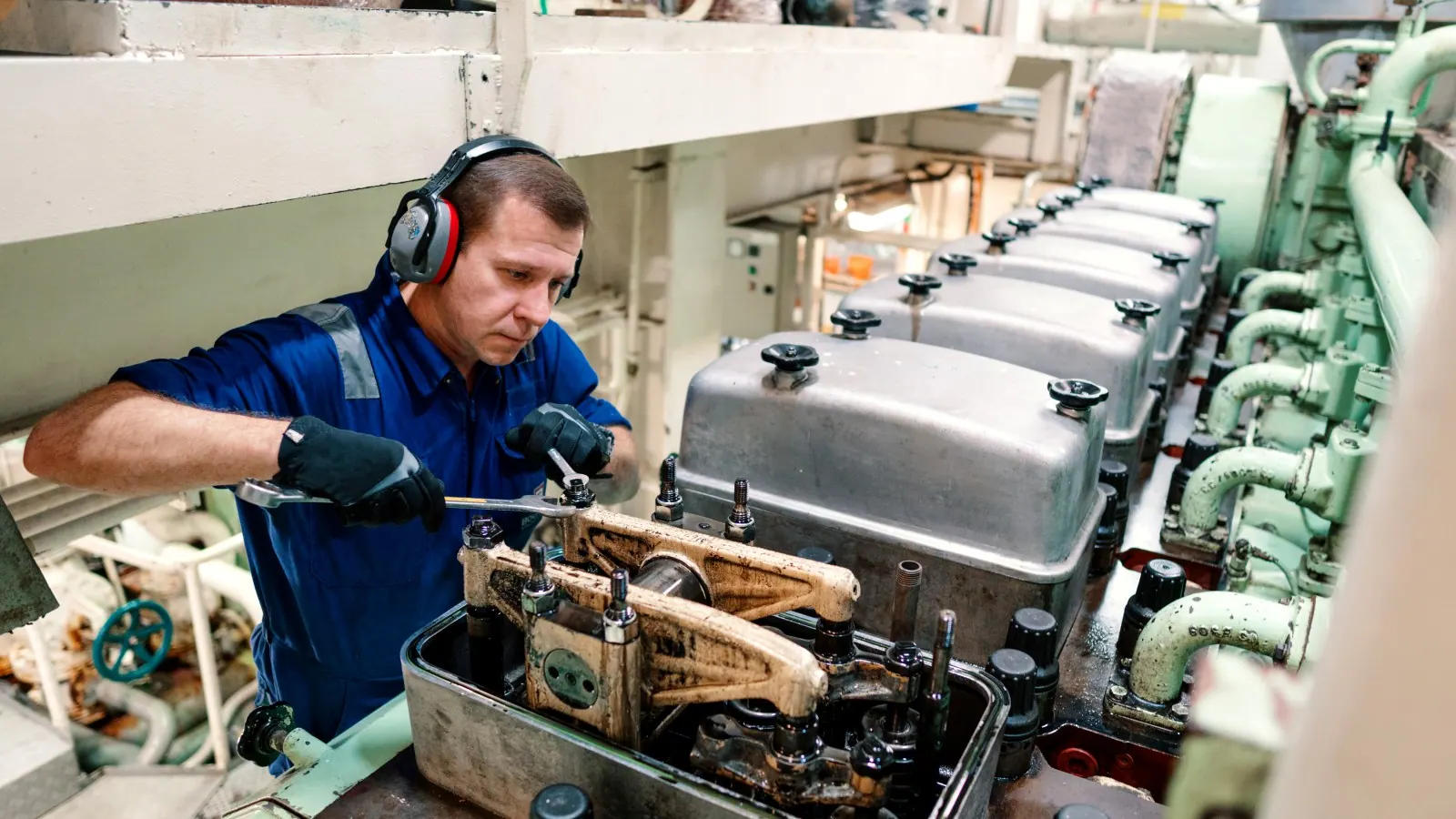
Engineer overhauling a marine diesel below decks, the parts that go to marine ultrasonic cleaning
Injectors, coolers, valve gear and pump parts come off marine diesels heavy with carbon and grease.
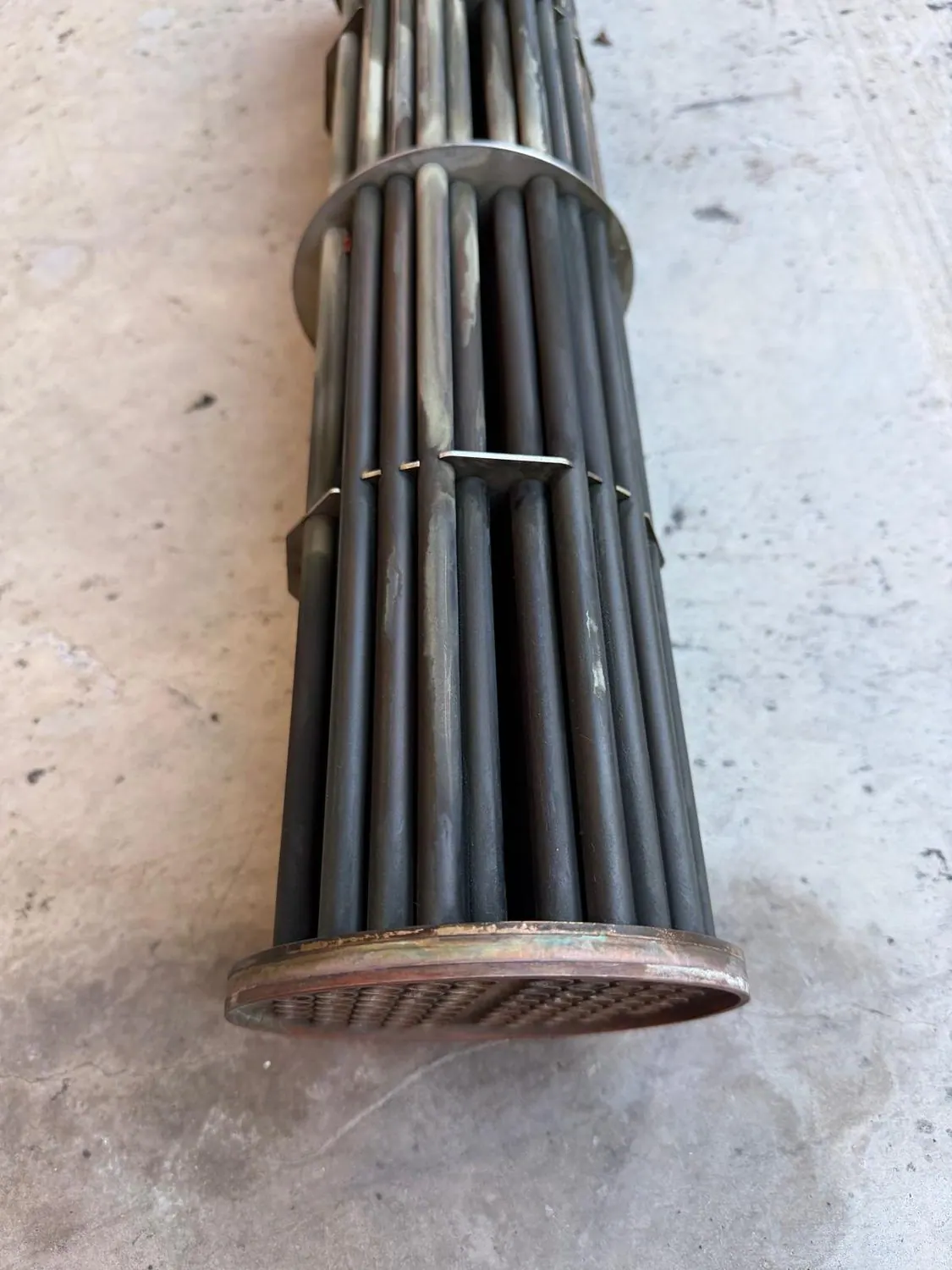
Shell-and-tube bundle tubesheet with every tube open after cleaning
Bundle tubesheet after the cycle. Every tube open, without rodding and without an acid boil.

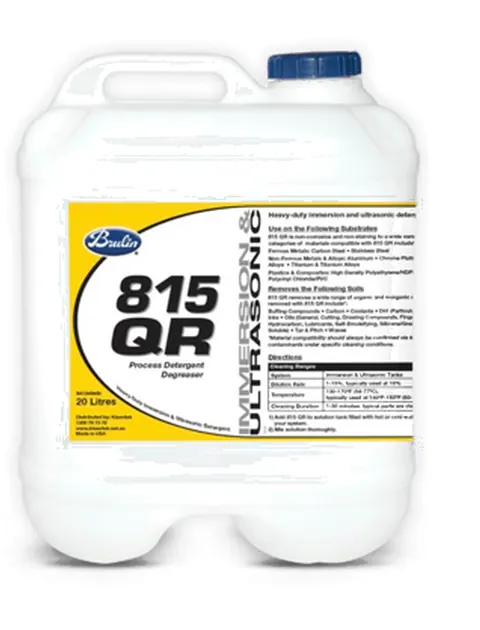
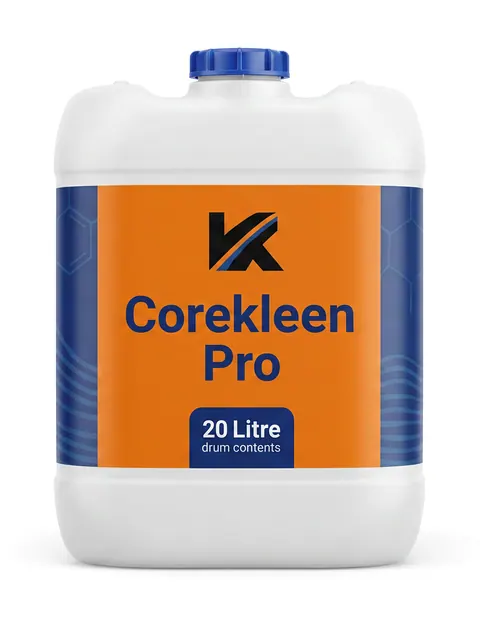
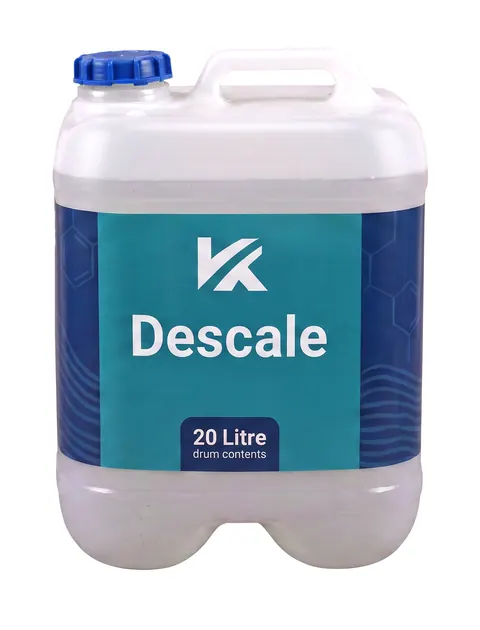
Scale and salt come off in Descale. Fuel residue and oil come off in CoreKleen HX or 815 QR-NF. Many coolers need both, in that order. The method is in the cooler and exchanger case study. EvoSonic machines log every cycle, which records the cleaning step for survey.

Manufacturing

Ultrasonic cleaning machines for NZ manufacturing

Machined, moulded and printed parts leave production carrying cutting oil, swarf, polishing compound, flux or loose powder. The next step sets how clean they have to be.

Machined parts

Oil and swarf out of blind holes, threads and cross-drillings before coating, bonding or assembly. Production lots run in an UltraWash.

Additive manufacture

Unfused powder out of lattices and internal channels that no brush or air line reaches. See manufacturing.

Electronics

Flux residue off assembled boards in near-neutral chemistry. See the PCB flux removal case study.

Stainless components

Cleaning and citric passivation to AMS 2700 and ASTM A967.

Aerospace components

Brulin chemistry carries Boeing, Airbus and Rolls-Royce approvals. Check the maintenance manual for the cleaning materials approved for each part. See aerospace.

Cleanliness to a number

Where the limit is written down, such as a gravimetric limit or an ISO 16232 particle code, the process is built to meet it. See how cleanliness is measured.

Chemistry

Pick the chemistry by the soil and the metal

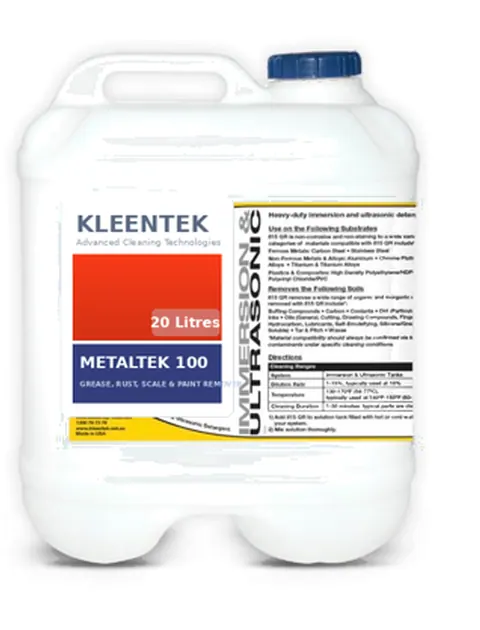
Settings below are from each product's technical data sheet. Chemistry is matched to your parts and quoted with the machine. Rinse after every cycle. The full list is on chemicals.

Machines

Industrial ultrasonic cleaner NZ range, sized to the biggest part

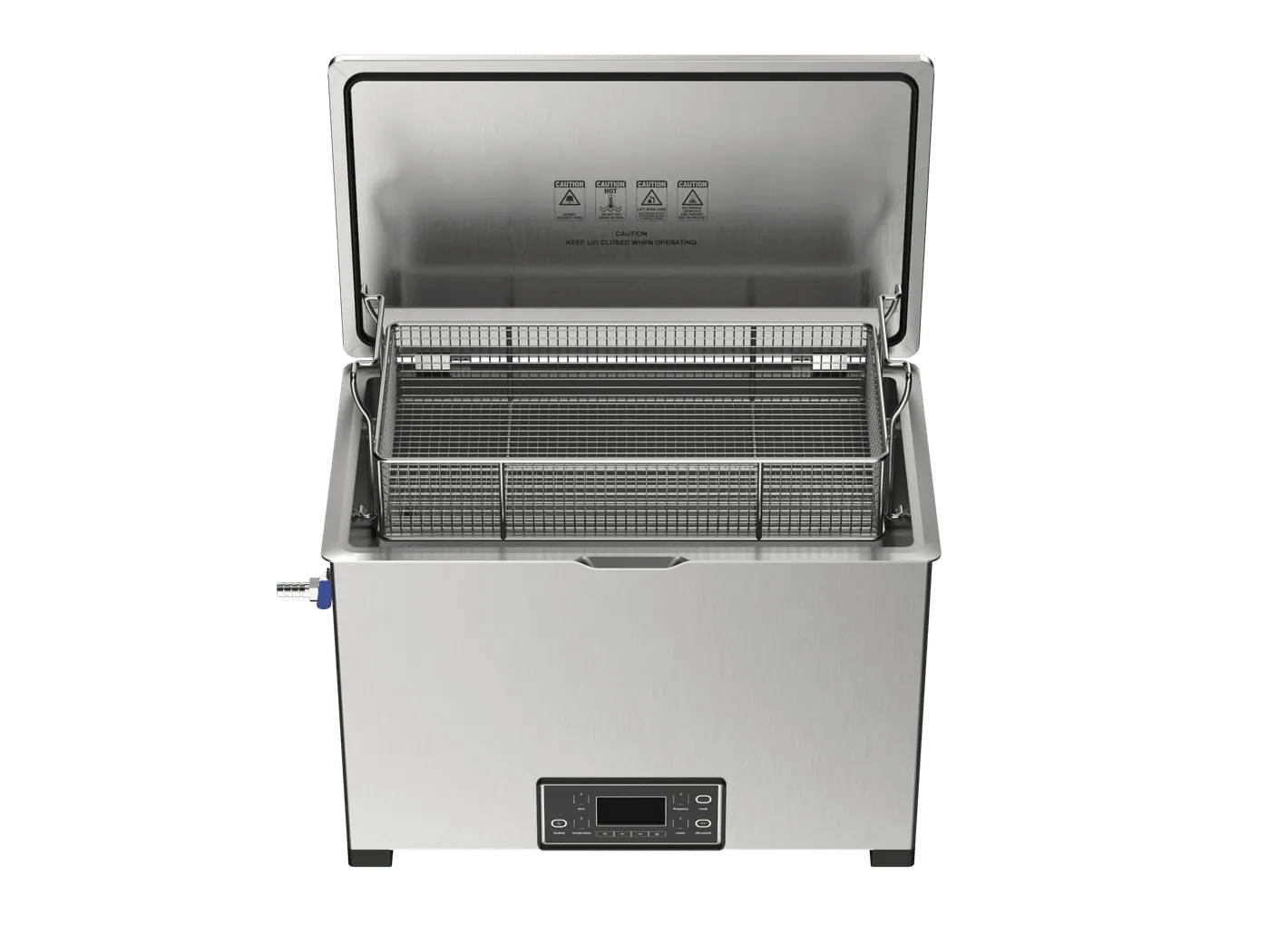
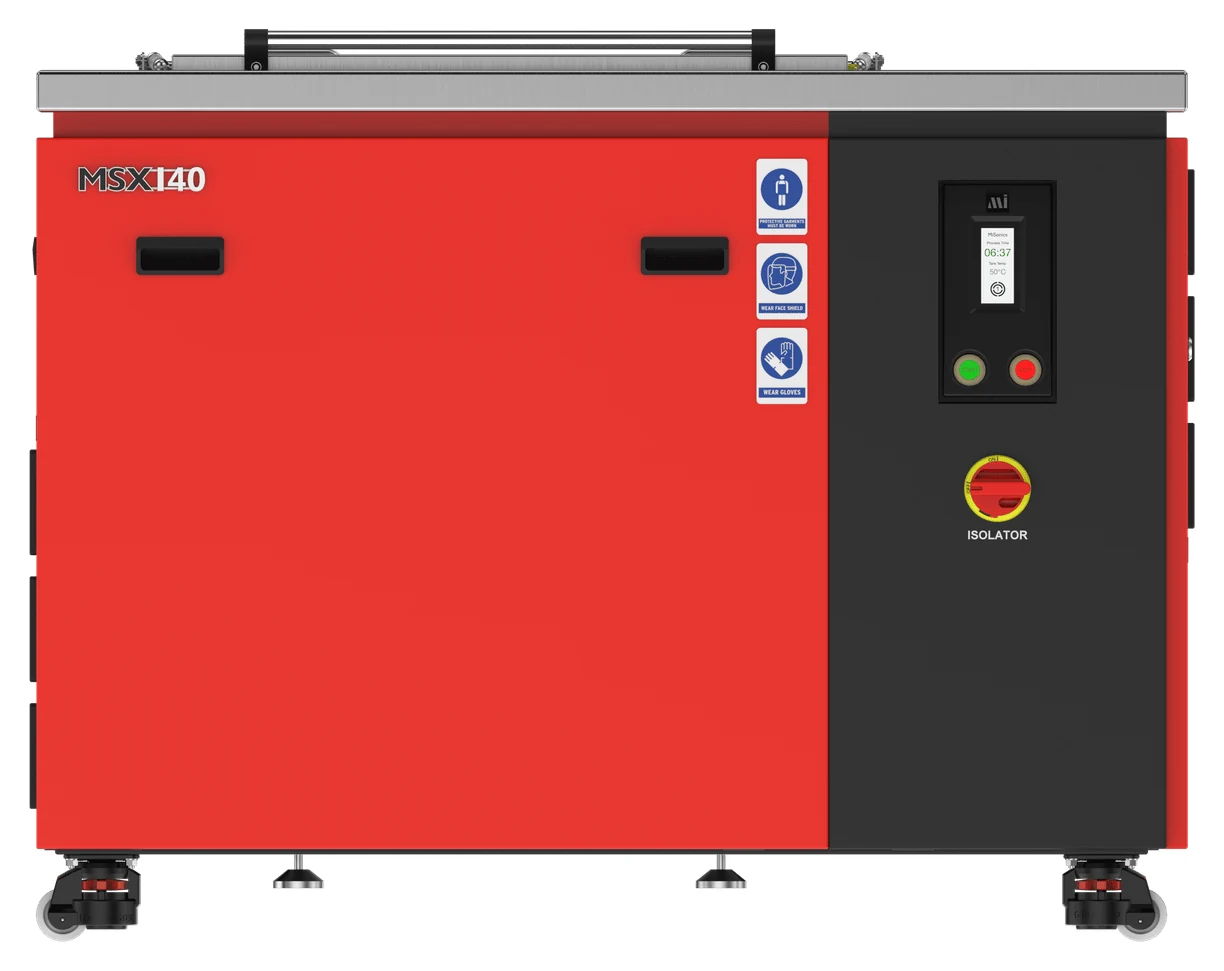
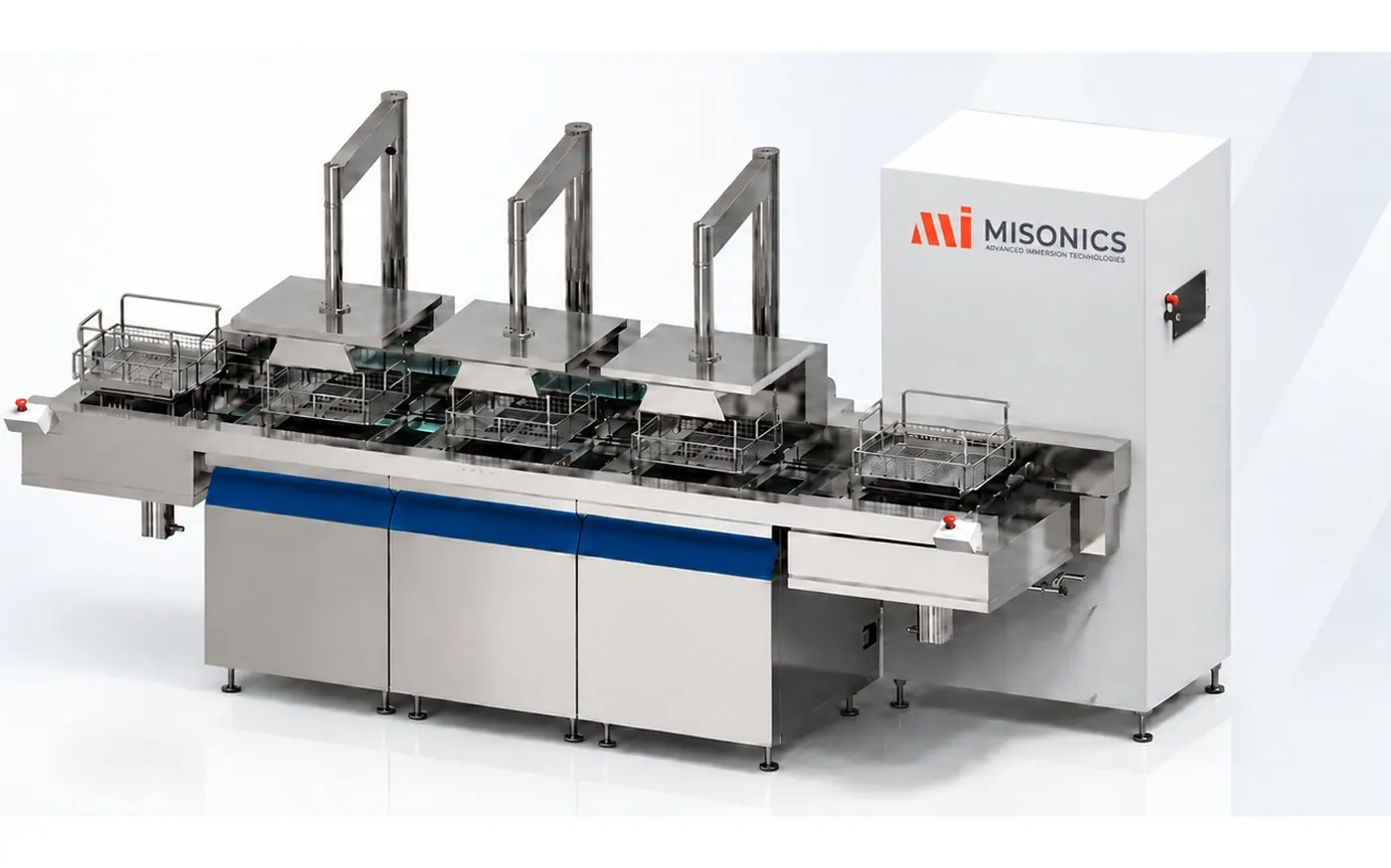
Benchtop and floor MSX machines for workshop and component work. EvoSonic tanks for coolers and engines. UltraWash and automated lines for production. UltraTecno ACM tanks for the heaviest parts.

The MSX 15 suits small parts on a bench. The MSX 50, MSX 70 and MSX 150 run on single-phase power. In-line lines are UltraKleen Pro and SonoLine. Parts outside every table go to a custom build.

UltraTecno ACM

UltraTecno heavy-duty ultrasonic cleaners for New Zealand

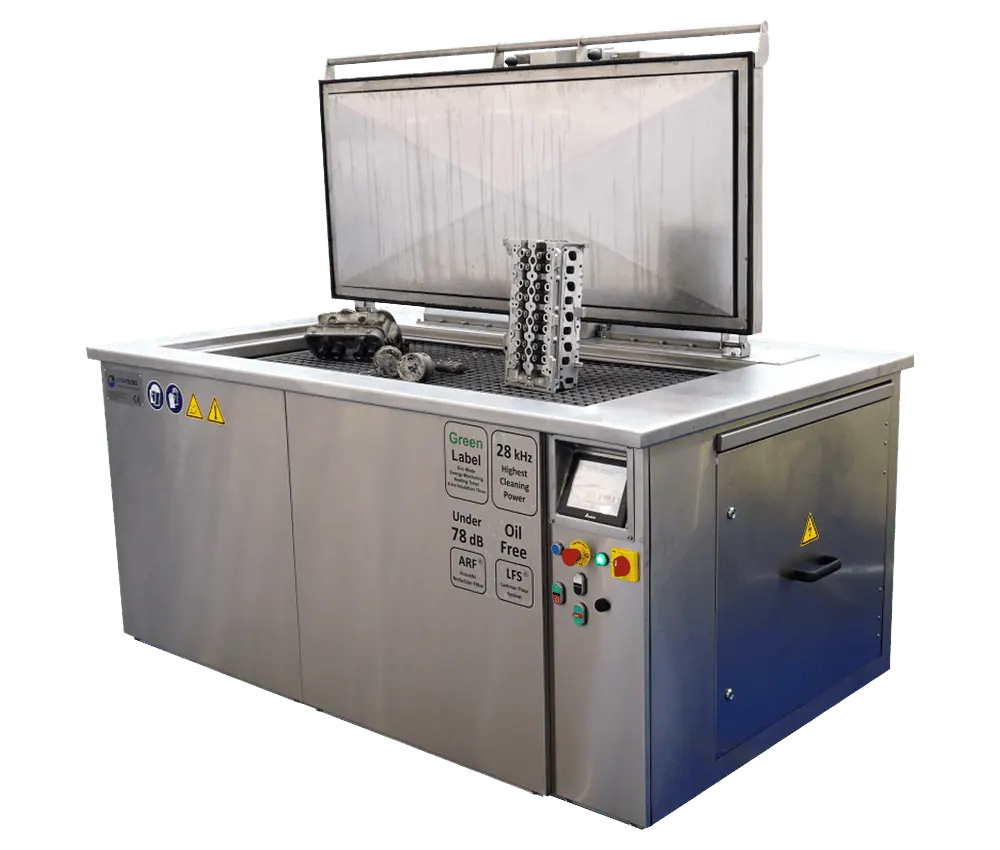
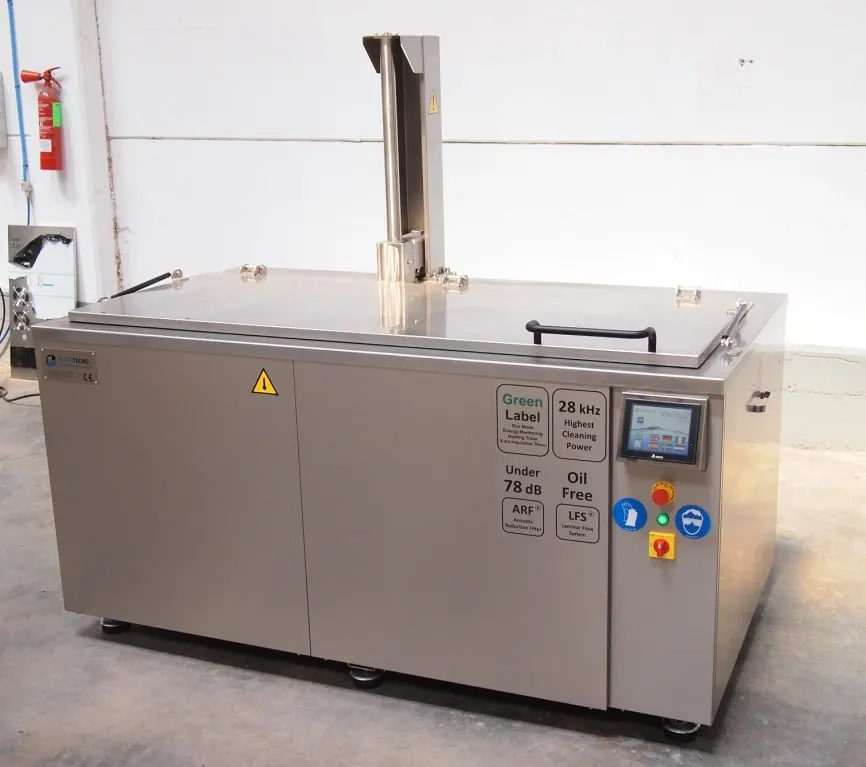
Misonics represents UltraTecno in Australia and supplies the ACM range to New Zealand. Every model runs at 28 kHz and has a pneumatic platform lift that moves the load while it cleans.

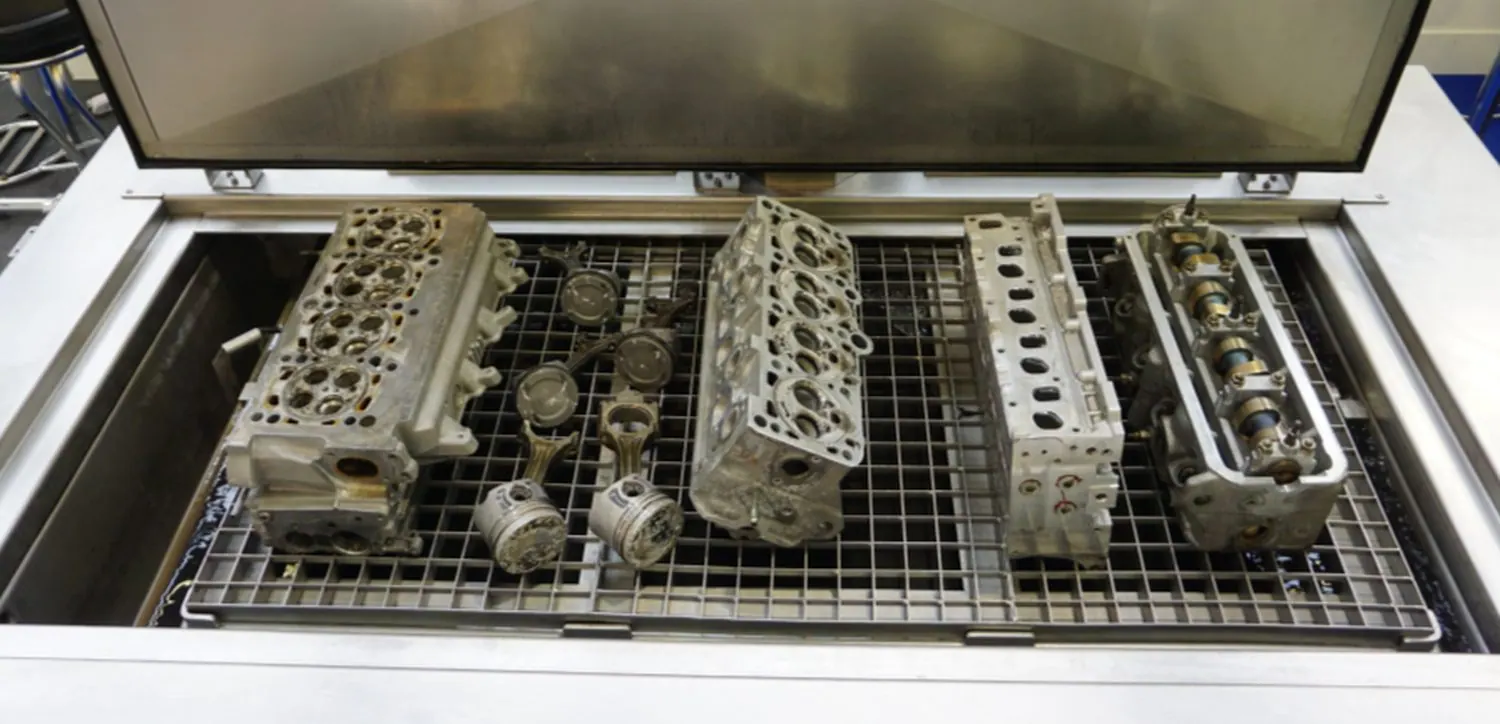
Cylinder heads, pistons and rods on the tray of an UltraTecno ACM ultrasonic cleaner
Heads, pistons and rods on the ACM tray. The platform travels up and down through the cycle to push fresh fluid through jackets and drillings. Photograph: UltraTecno.
Fouled cooler core lifted out of an UltraTecno ultrasonic tank
A fouled cooler core coming up on the lift. Watch the video.

UltraTecno build in Valencia and give every machine a two-year manufacturer's warranty. LFS oil separation skims oil off continuously, so the bath lasts months instead of weeks. Supply is 400 V three phase and neutral. Under 400 L we usually quote an MSX instead. Full figures are on the UltraTecno page. Compare every large tank on industrial ultrasonic tanks.

The order

How an order to New Zealand runs

Send the parts

Tell us the parts, the soil and the throughput. Photos help.

We specify

Technical sales picks the machine, the chemistry and the cycle.

Delivered quote

Machine, baskets, chemistry and freight to New Zealand in one quote.

Tested before despatch

The machine is filled, run and tested in Melbourne.

Across the Tasman

Freight to your port or your door, as quoted.

Commissioning

On site or by video, quoted with your order. Cycle settings written down for your operators.

Supply to New Zealand

Supplied from Melbourne, run in New Zealand

Same power, same plug

New Zealand's 230 V, 50 Hz supply and plug match Australia's. Benchtop machines plug straight in.

Designed to AS/NZS 3100

MSX machines are designed to the joint Australian and New Zealand standard.

Three phase confirmed at quote

MSX 140, MSX 240, EvoSonic, UltraWash and UltraTecno run on three phase. We check your site supply before you order.

Freight quoted with the machine

To your port or your door, priced in the same quote.

Remote support from Melbourne

Phone and video. Connected machines are read and adjusted remotely, so most faults are found without a site visit. Spares are held in Australia.

Warranty

12 months on MSX and EvoSonic. Two years from the manufacturer on UltraTecno.

FAQ

Ultrasonic cleaner NZ questions

Where can I buy an industrial ultrasonic cleaner in NZ?
Direct from Misonics in Melbourne. We specify, test and ship MSX, EvoSonic, UltraTecno and UltraWash machines to New Zealand, with the chemistry and spares. Send an enquiry with your parts.
What does an ultrasonic cleaning machine cost in NZ?
It depends on the tank size, the power and the duty. Every machine is quoted delivered to New Zealand, with baskets, chemistry and freight in one number. The sizing guide shows how the tank is chosen.
Will an ultrasonic cleaner run on New Zealand power?
Yes. New Zealand's 230 V, 50 Hz supply and plug match Australia's. The MSX 15, 30, 50, 70 and 150 run single phase. The MSX 140 and 240, EvoSonic, UltraWash and UltraTecno need three phase, checked against your site supply at quotation.
Which ultrasonic cleaner suits marine work in NZ?
An MSX 30 for injectors and pump parts. An EvoSonic or UltraTecno ACM for charge-air coolers, plate packs and exchanger bundles. Coolers run in CoreKleen HX, then Descale where there is scale. See marine.
Can you supply UltraTecno machines to New Zealand?
Yes. Misonics represents UltraTecno in Australia and supplies the full ACM range to New Zealand, quoted delivered, with chemistry from us.
Who supports the machine after it is installed?
Misonics technical staff in Melbourne, by phone, video and remote connection to the controller. Spares are held in Australia and shipped across the Tasman.
Can one machine clean coolers and engine parts?
Yes, if the tank takes the biggest part. Coolers need a degrease bath and often a descale bath after it. Engine parts need the degrease bath. That means two tanks side by side, or one tank with the bath changed between jobs.
Can you work to our cleanliness specification?
Yes. Send it with the enquiry. The specification checklist lists what else helps us size the machine, and clean is a number explains the tests.
Is the chemistry approved for aircraft parts?
Brulin chemistry carries approvals from Boeing, Airbus, Rolls-Royce and Pratt & Whitney. Check the engine or airframe maintenance manual for the materials approved for each part before you use any cleaner. See aerospace.
Read next

Related pages

What are you cleaning?

Tell us the parts, the soil and the throughput. We will come back with a machine, a chemistry and a delivered price to New Zealand.

Send an enquiryCall +61 3 9000 0517Email us