Start here
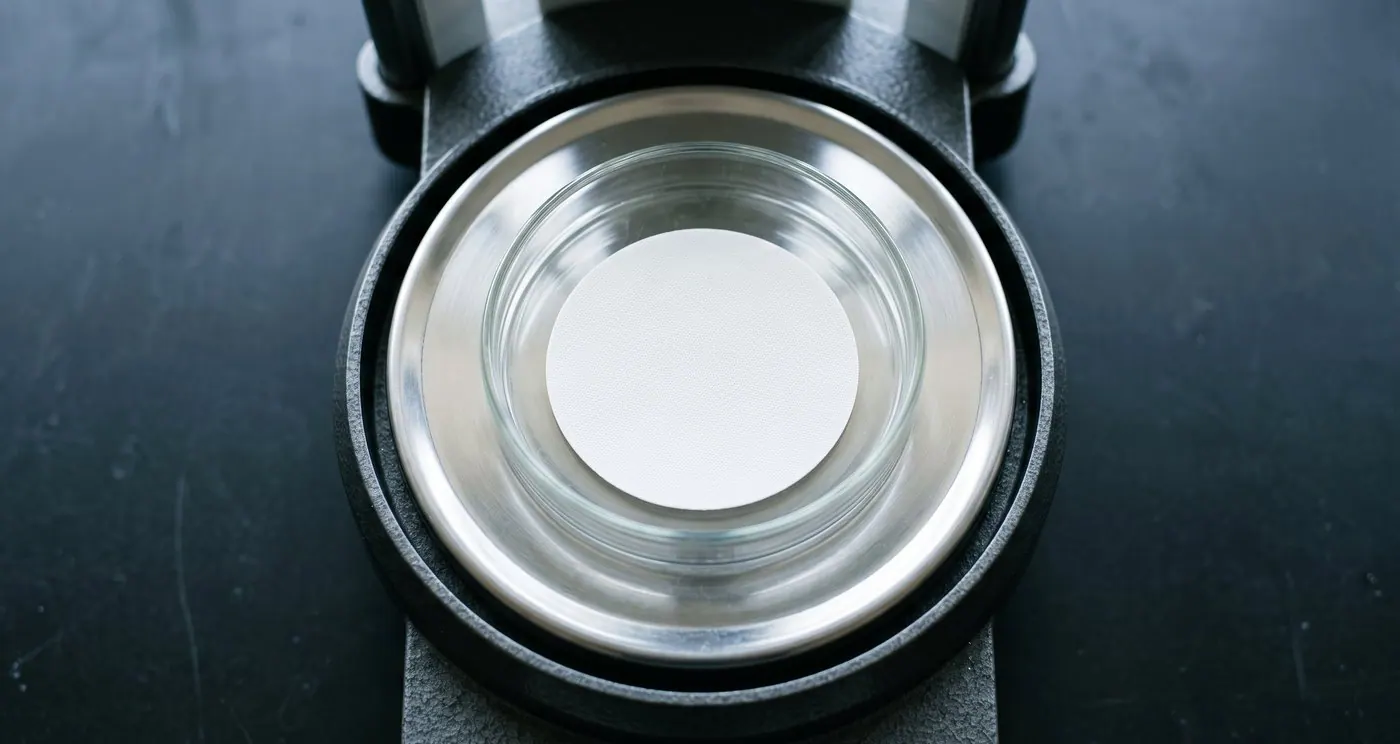
Clean is a number: how cleanliness is actually measured
Gravimetric, particle codes, ionic limits, ΔP — the tests behind the tagline.
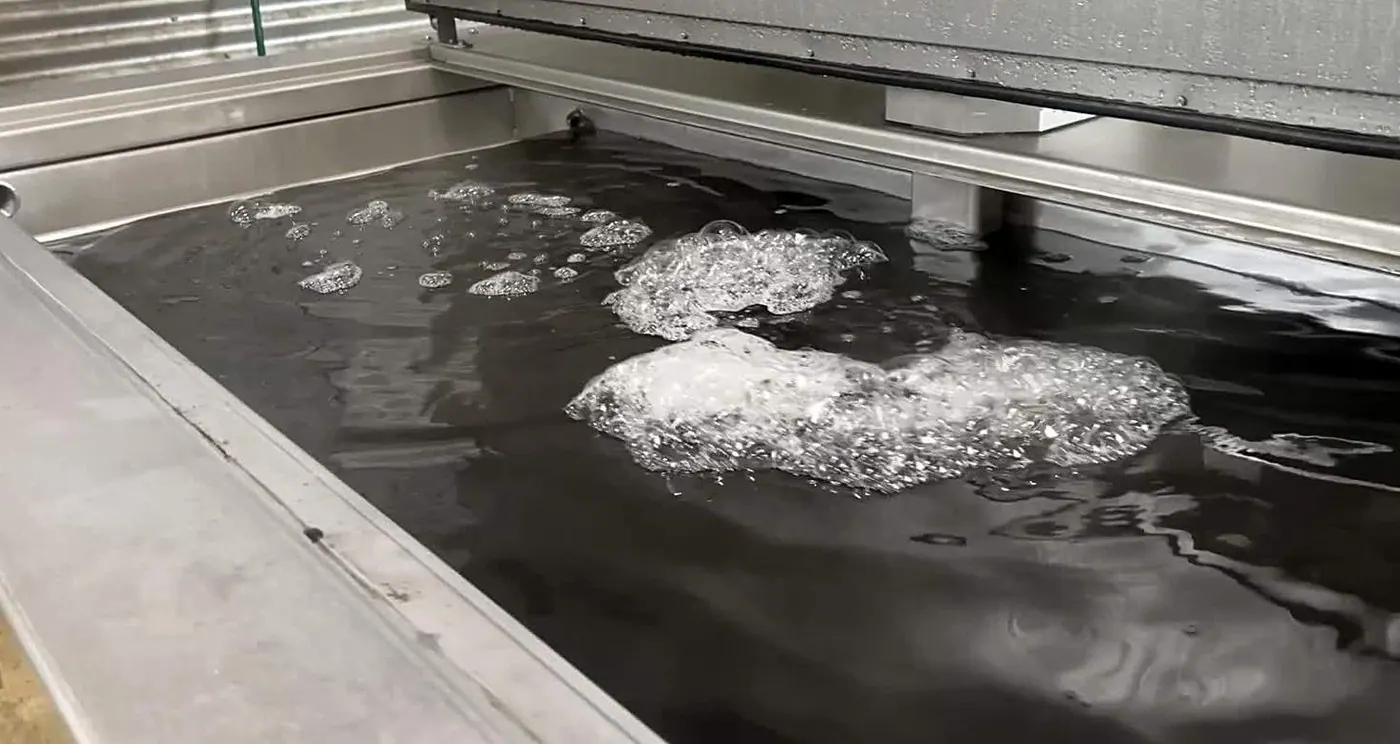
How does ultrasonic cleaning actually work?
Cavitation, implosion and why sound cleans where nothing else reaches.
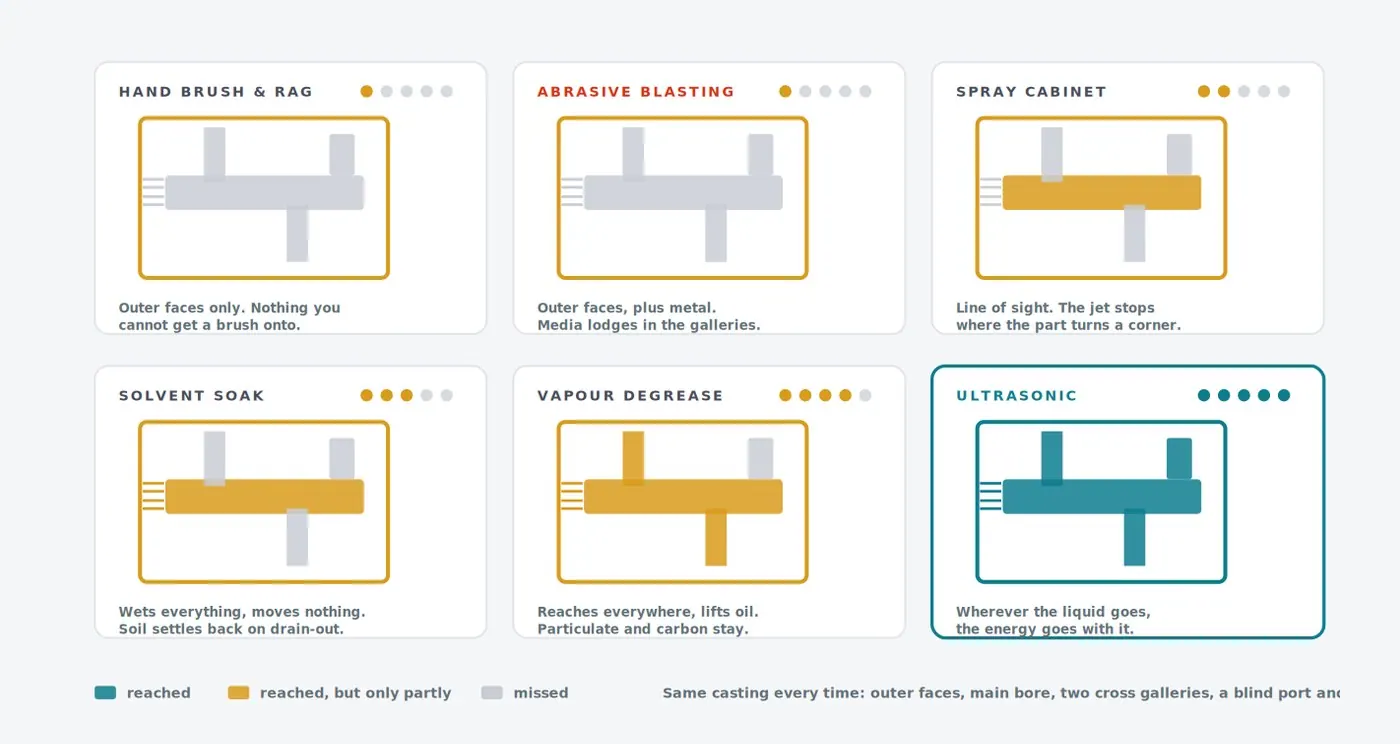
DPF cleaning: the four methods, and what each one leaves behind
Regeneration burns the soot and leaves the ash. What each cleaning method actually removes.
Ultrasonics vs everything else: six methods compared
Six methods compared without the gloss — including where ultrasonics loses.
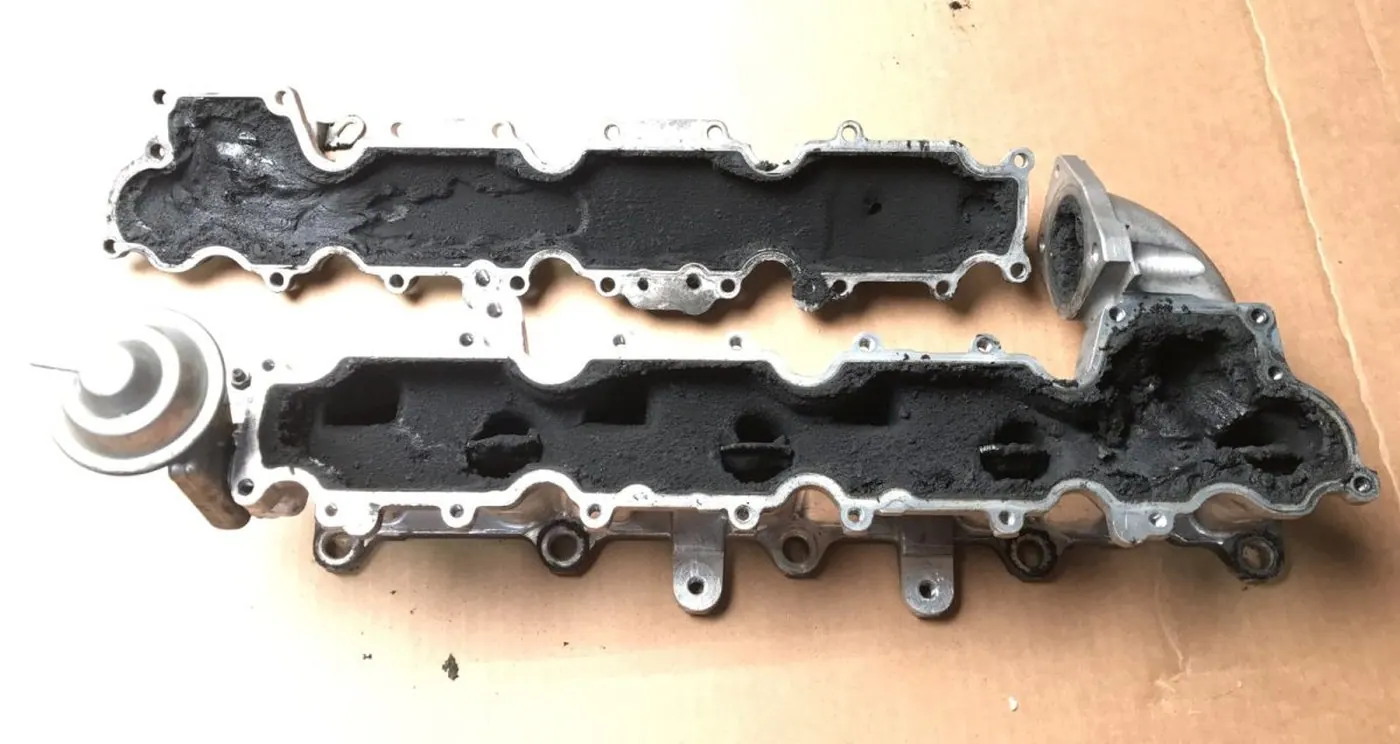
Your ultrasonic tank is one stage of a process
Pre-clean, clean, rinse, protect, dry — the process around the tank.
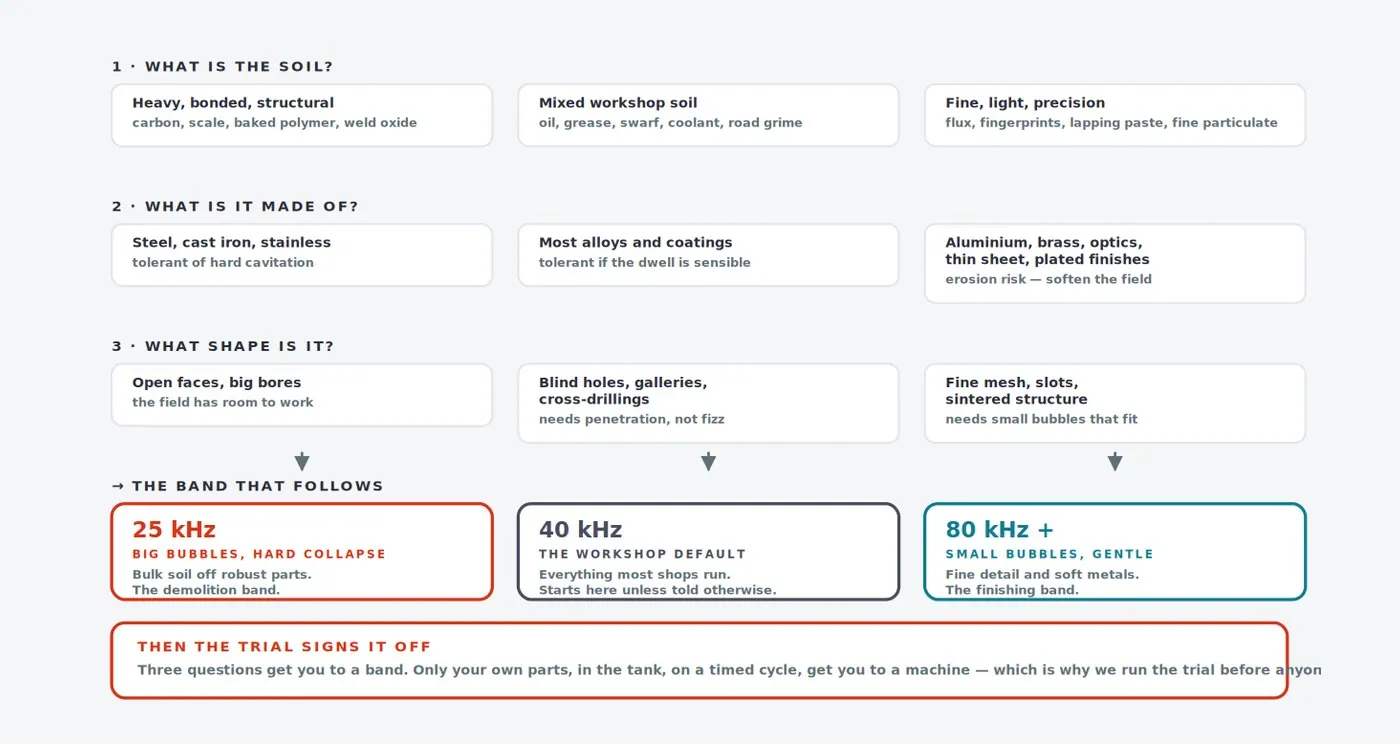
Choosing the right ultrasonic frequency
28, 40, 80 or 130 kHz — how soil, substrate and geometry vote.
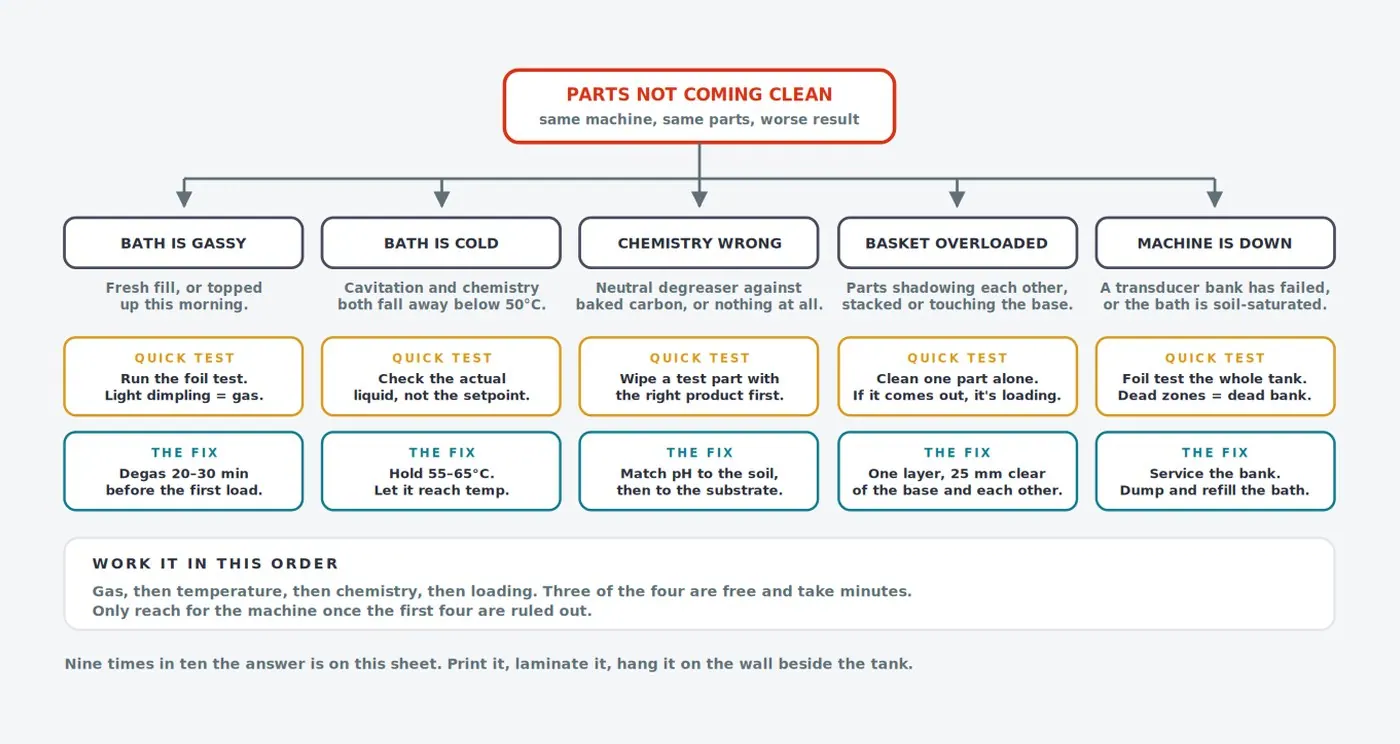
Why your parts aren't coming out clean
Five causes in diagnostic order — four fixable before lunch.
Ultrasonic chemistry: the complete industrial guide
One matching rule, and bath discipline that lasts weeks.
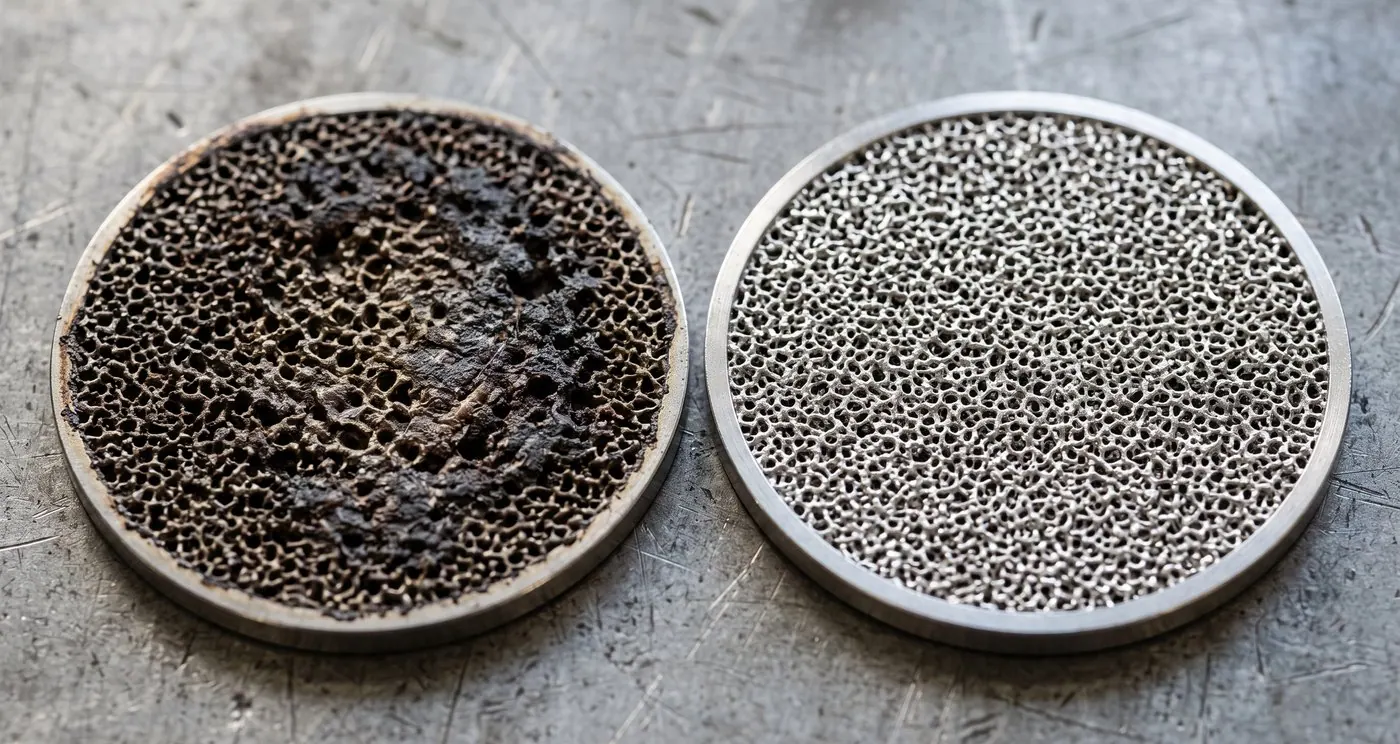
Cleaning hot melt filter discs with ultrasonics
Media recovered instead of replaced — the ROI writes itself.
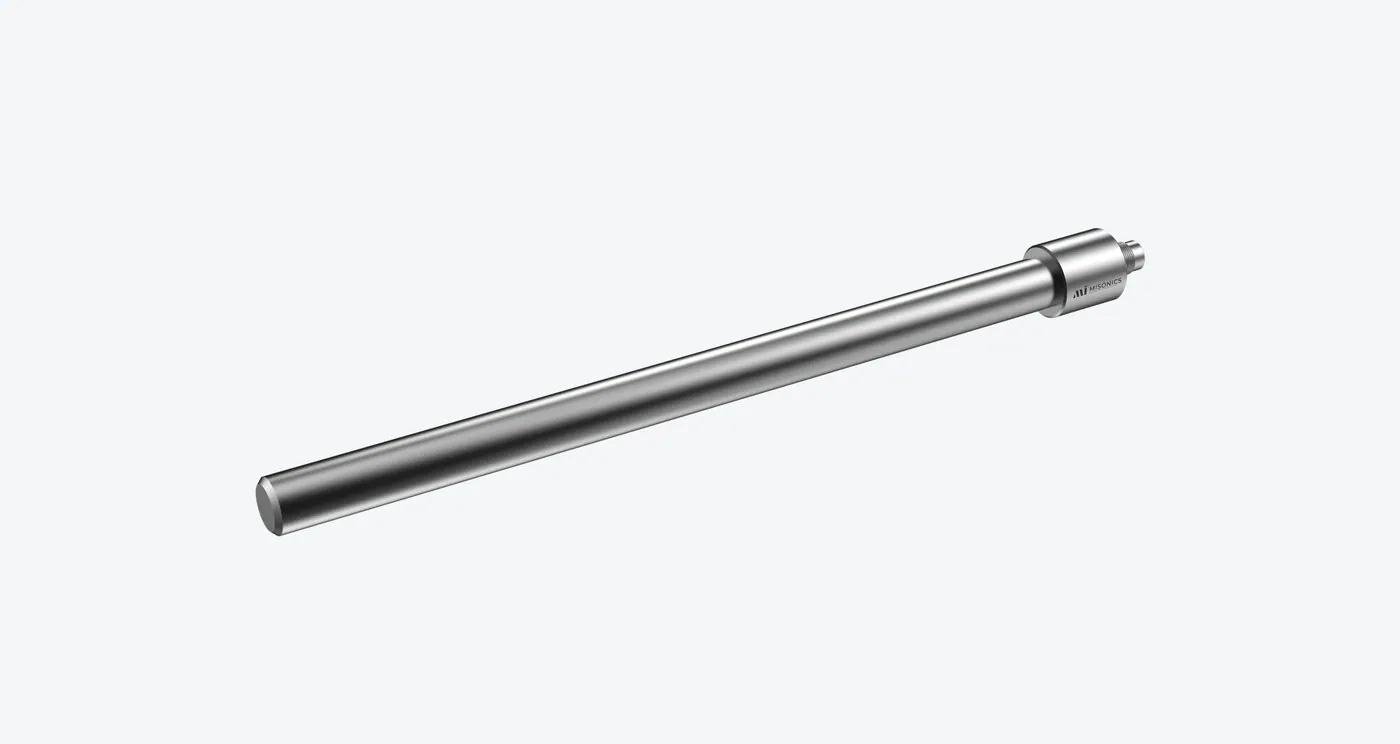
The 360° rod resonator
Omnidirectional field, deep-tank evenness, retrofit into tanks you own.
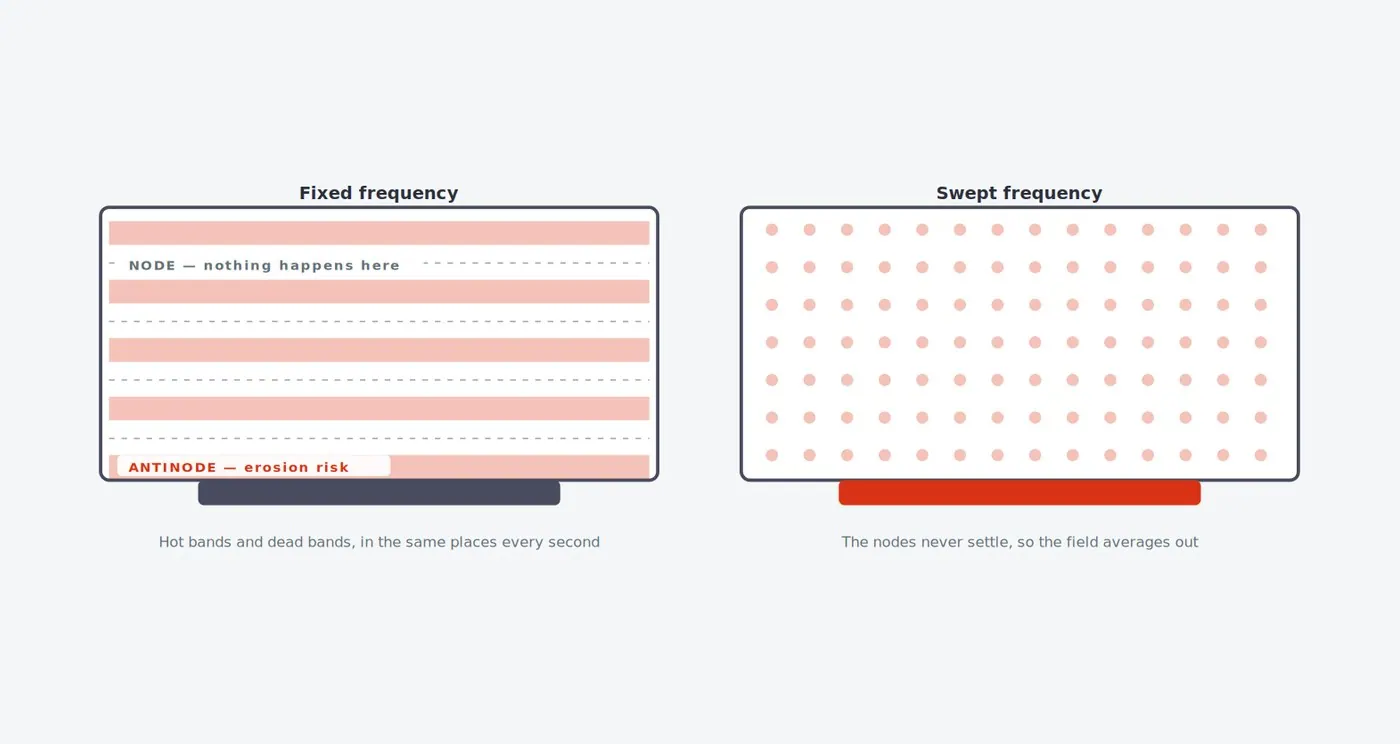
Sweep, pulse and degas: what the settings actually do
The three most misunderstood buttons on any generator.
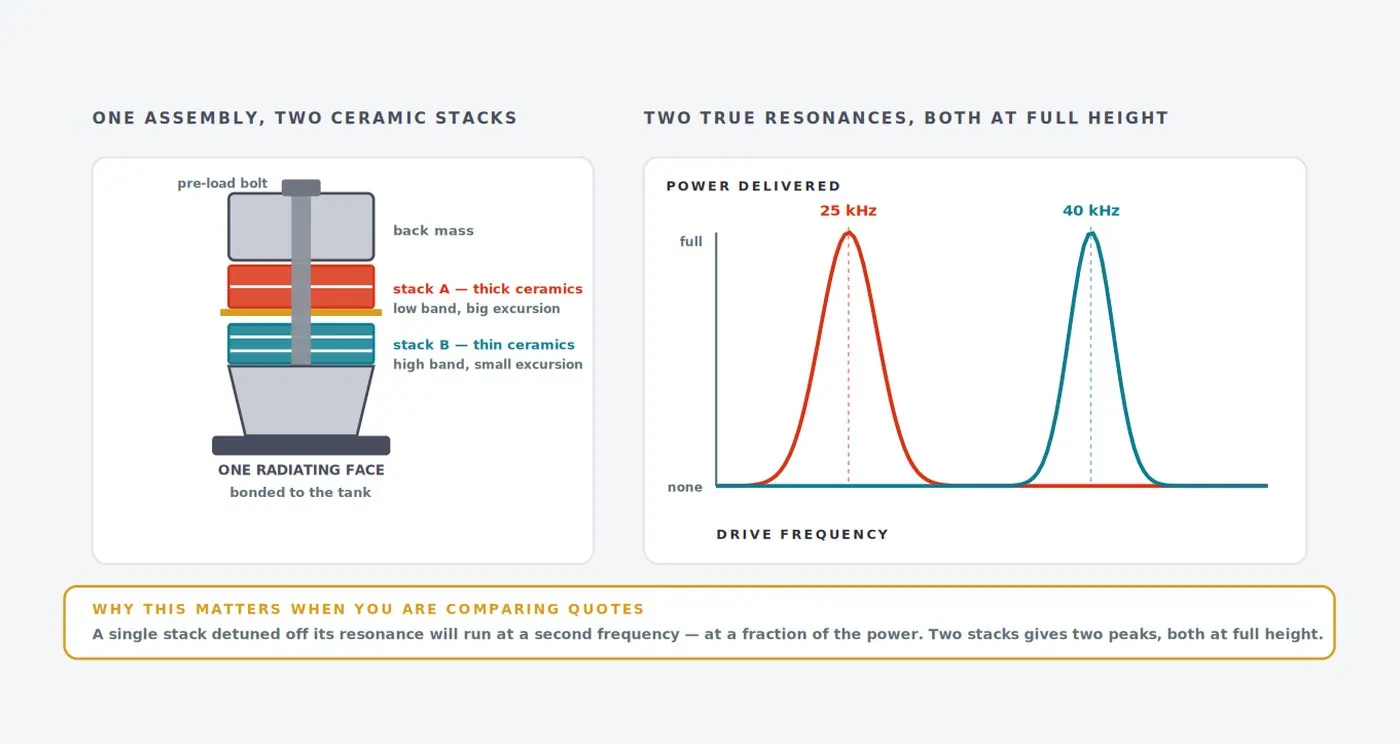
Dual and multi-frequency ultrasonics
Mixed loads, sequenced bands — and the architecture question that matters.
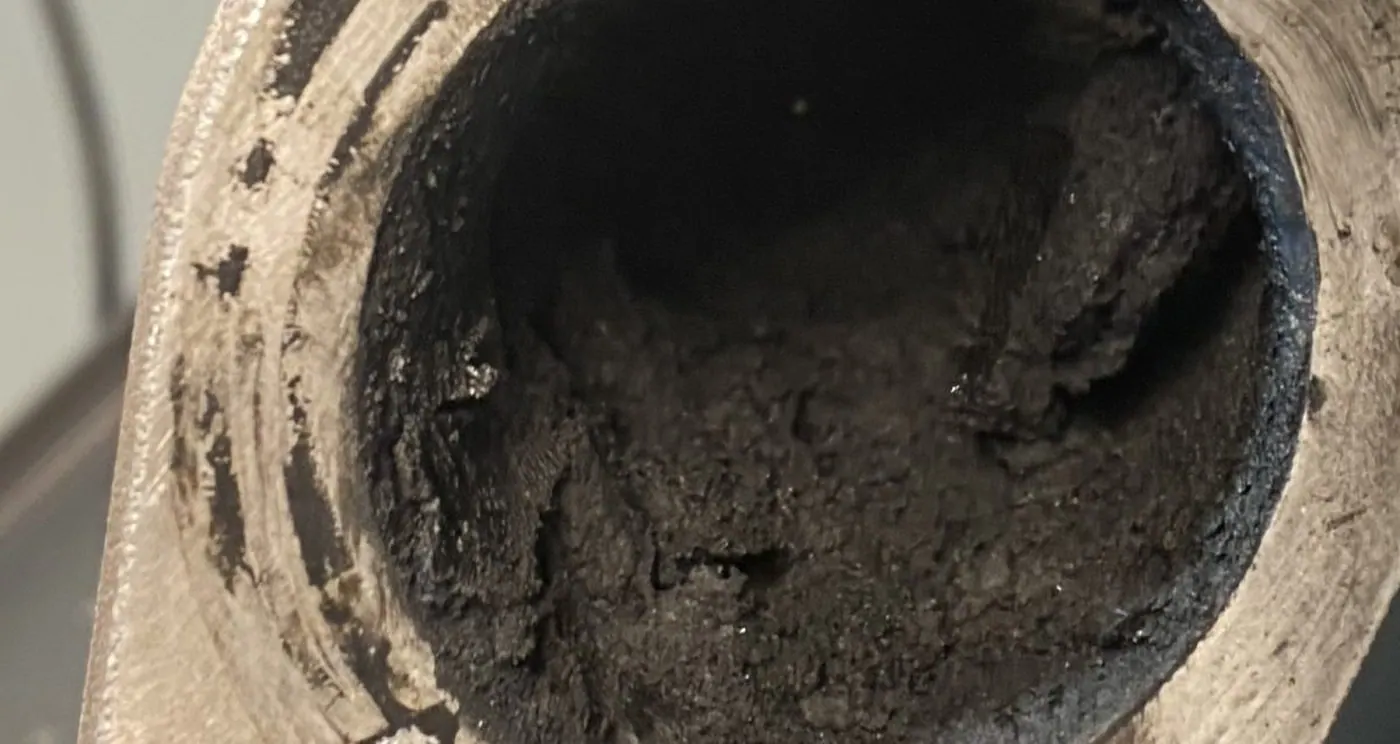
Cleaning blind holes, galleries and internal passages
Full intensity with no line of sight — and the three caveats.
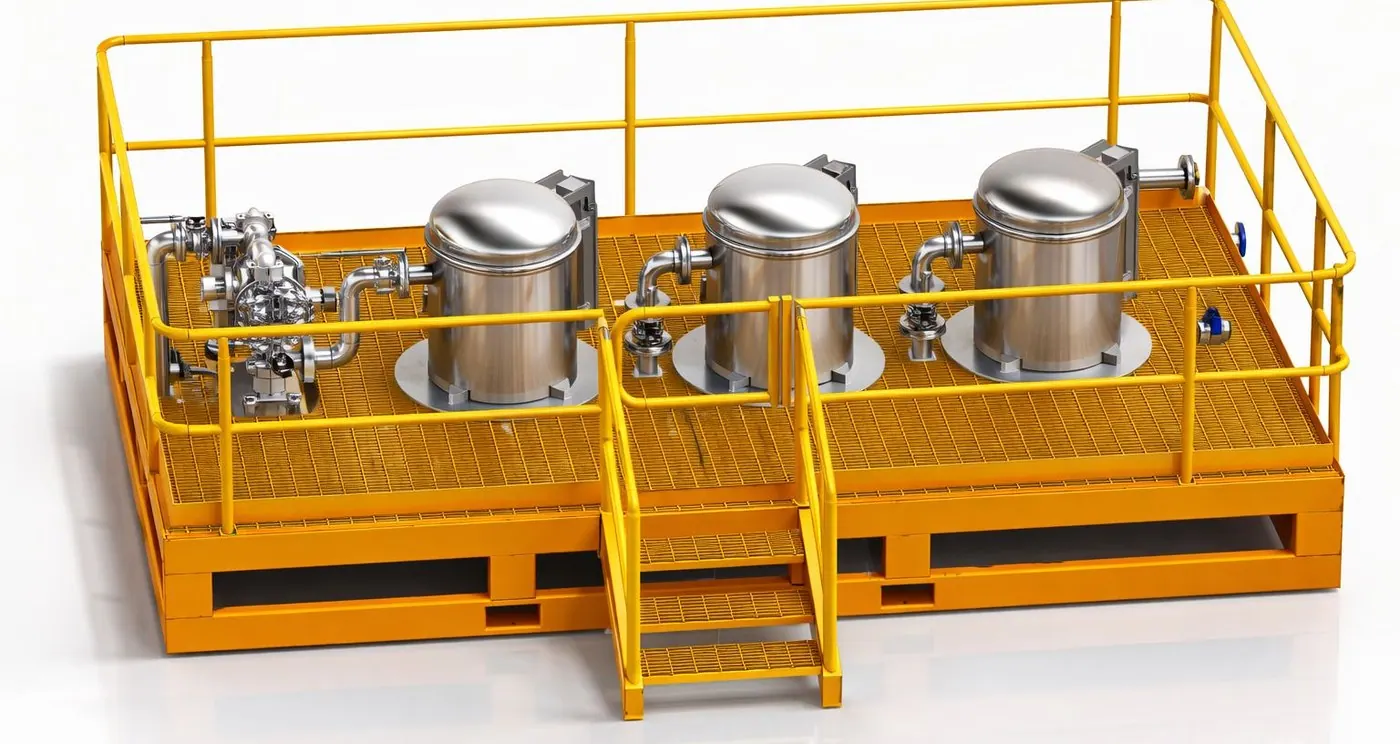
Filtration: what you need and why
Breaking the recontamination loop — bags, ratings, flow.
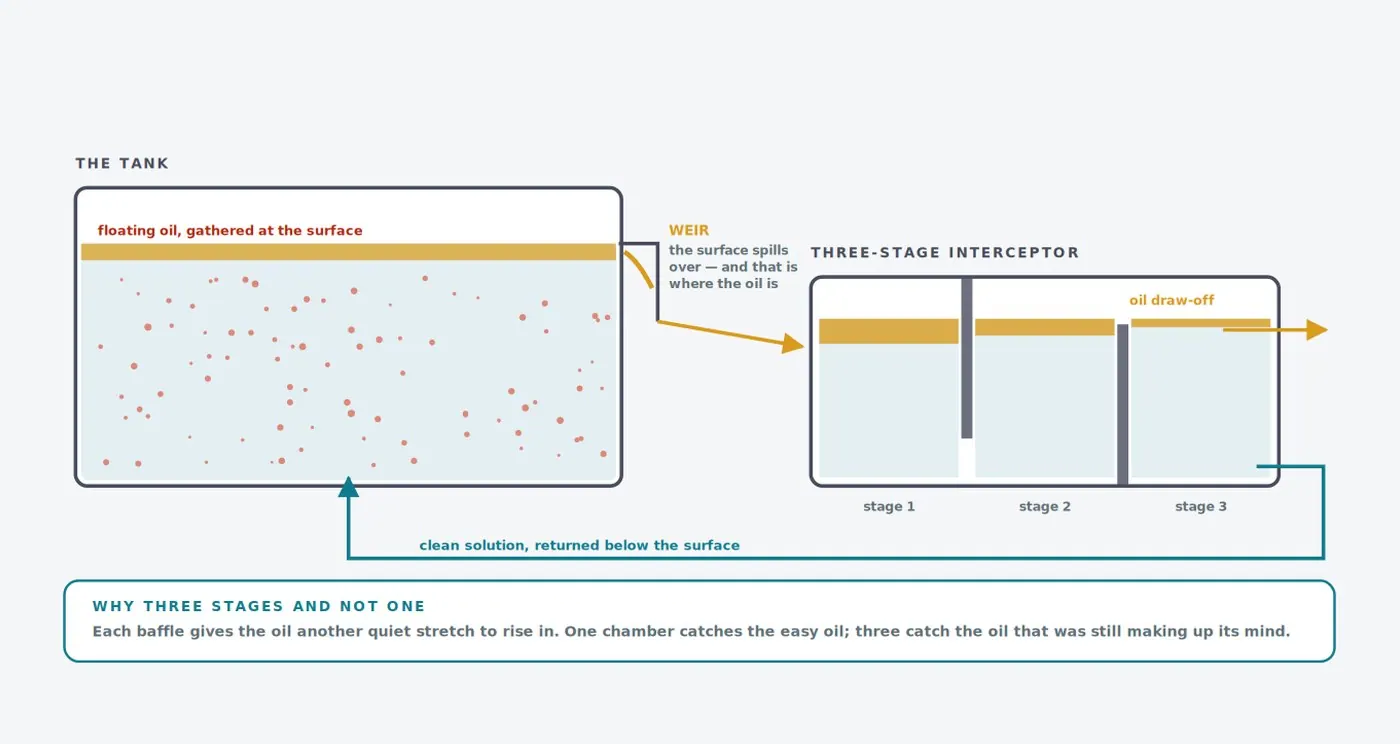
Oil removal: weirs, interceptors and coalescers
The chemistry fork and the plumbing that multiplies bath life.
The foil test: is your cleaner actually working?
Five minutes, a roll of foil, and the truth about your field.
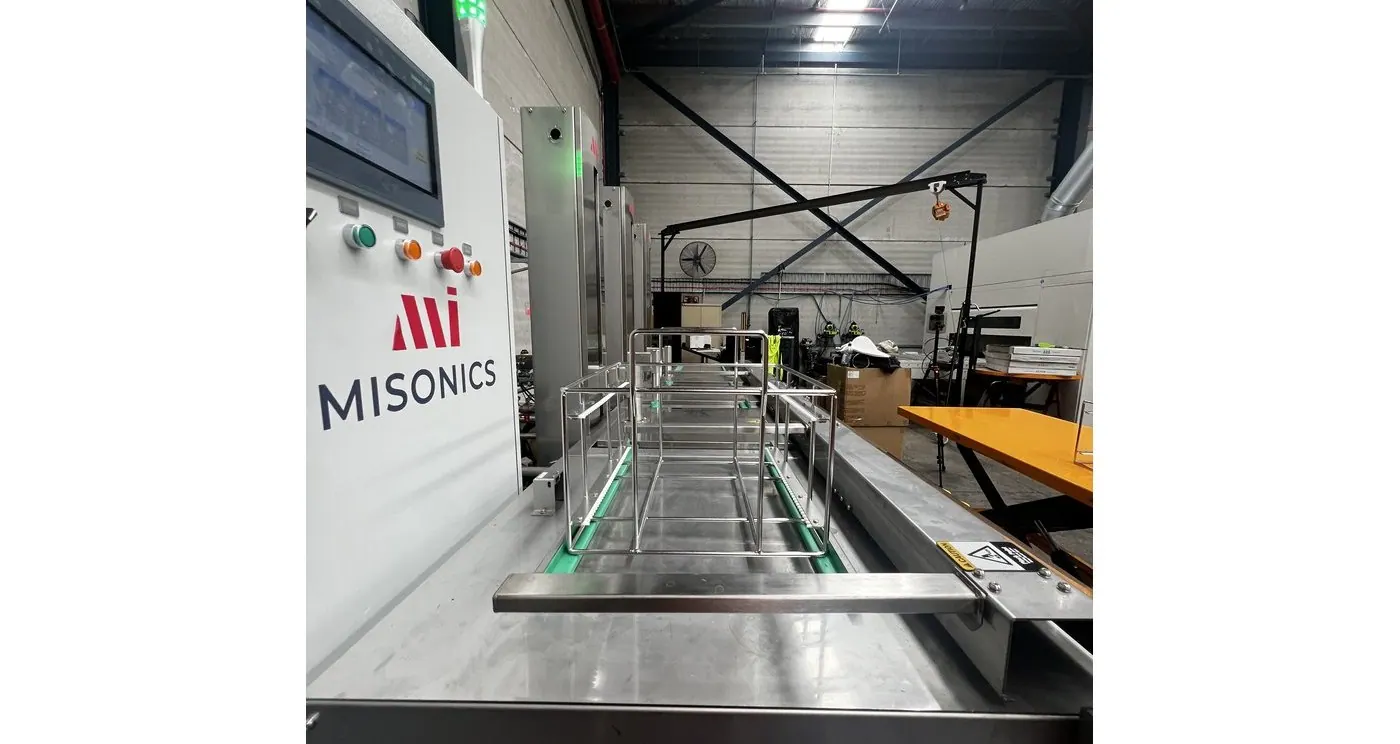
From manual tanks to full production lines
The five-stop spectrum — SonoLift to SonoLine to UltraWash.
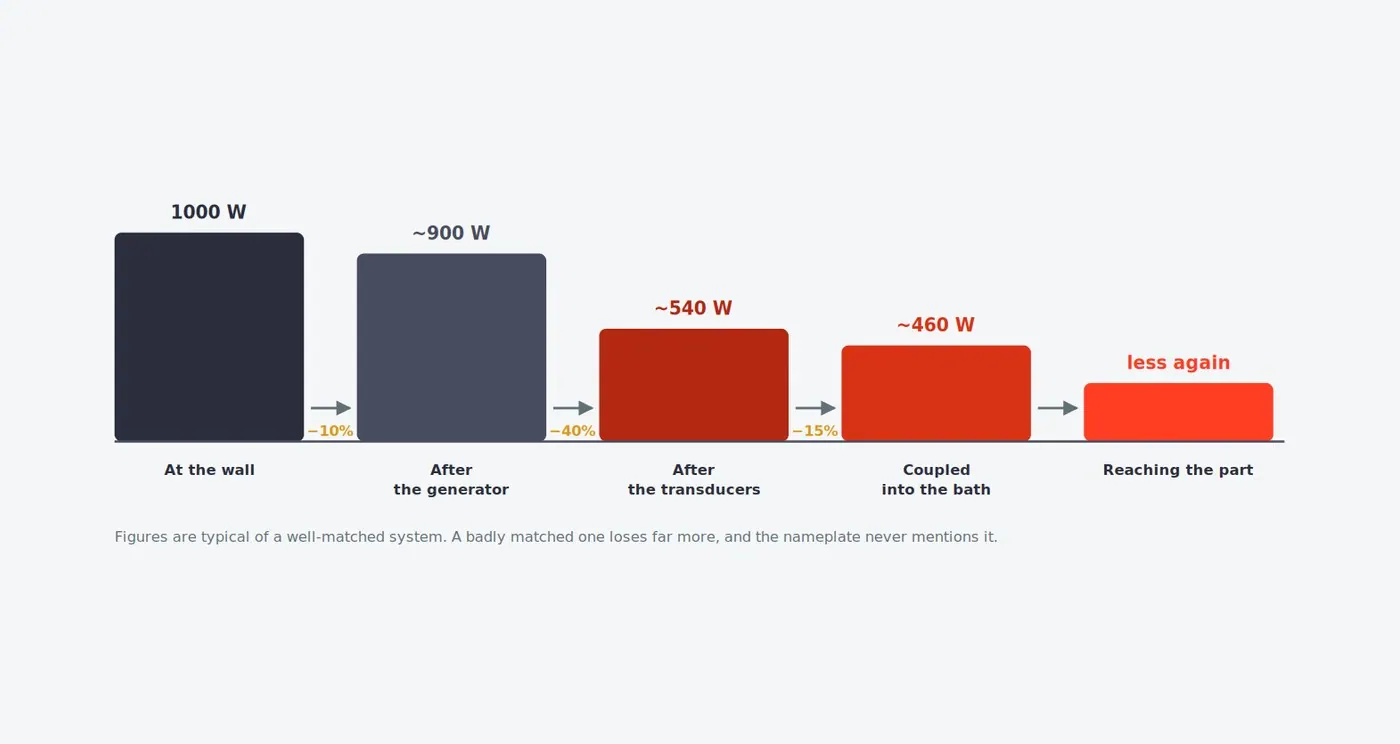
What power do you actually need? Watts explained
The most gamed number on the brochure, decoded.
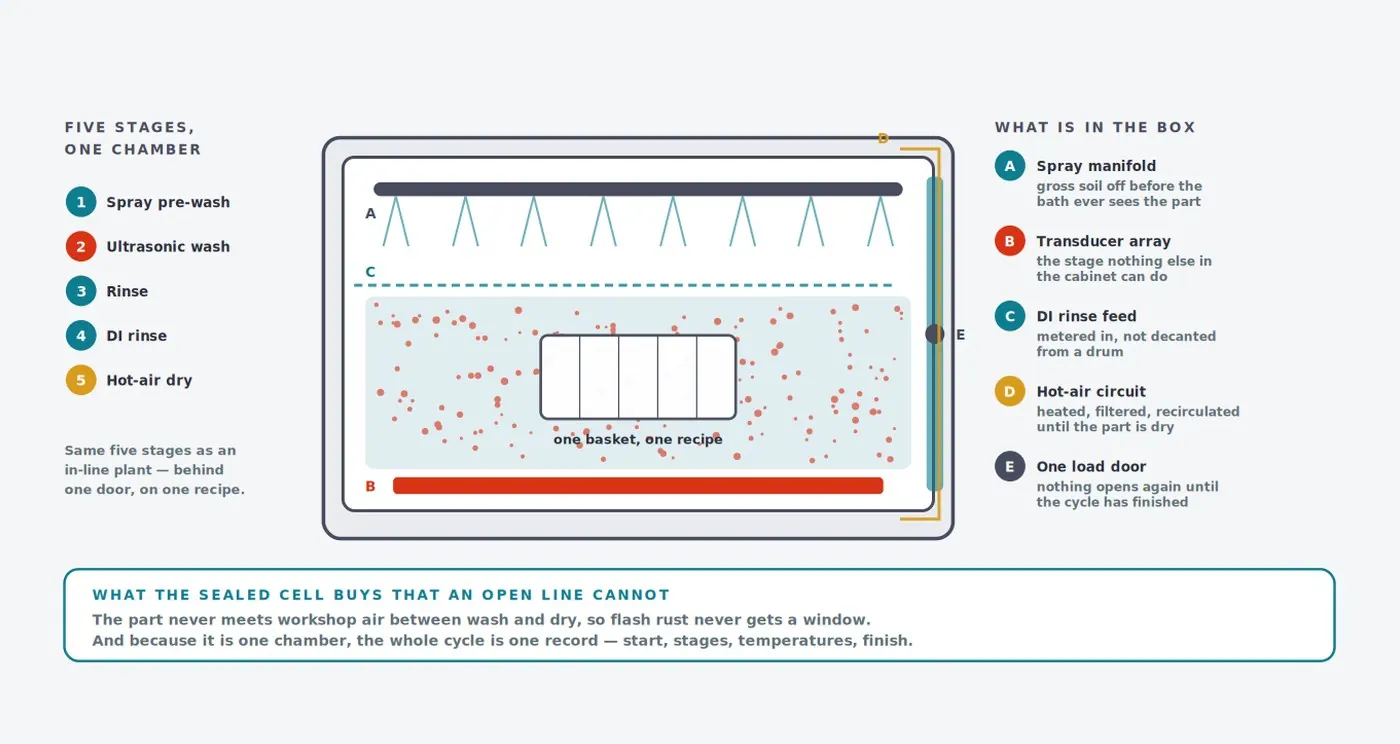
Multi-stage cleaning: spray, ultrasonics, rinse and dry
Stations vs the sealed chamber — and the audit signal to move.