Ring-groove carbon is a dimensional problem wearing a cleaning costume: every mechanical method that removes the coke also removes or deforms metal the rebuild is required to keep. This documented application study cleaned the ring belt of a large-bore diesel piston in hot Brulin chemistry without anything touching the groove.
The contamination
Coked carbon
Thermally polymerised in the ring belt over thousands of hours — insoluble in solvents, concrete-hard, and bonded into the groove roots where no tool reaches without contacting the flanks.
Lubricant ash
Mineral residue from burned oil packed behind the carbon banding — chemistry alone will not lift it; it needs cavitation working in place.
The dimensional trap
Scraping, wire-wheeling and blasting all remove or peen the groove flanks. A groove outside width or flatness spec scraps the piston — the cleaning method must be non-contact.
The process
| Parameter | Value |
|---|---|
| Chemistry | AquaVantage 815 QR-NF at 10% v/v |
| Temperature | 70 °C |
| Frequency | 25 kHz, sweep |
| Cycle | Staged cycles with inter-cycle filtration |
| Verification | Groove width, depth and flank flatness gauged against drawing after cleaning |
Before, during, after
The results
Hardware and chemistry
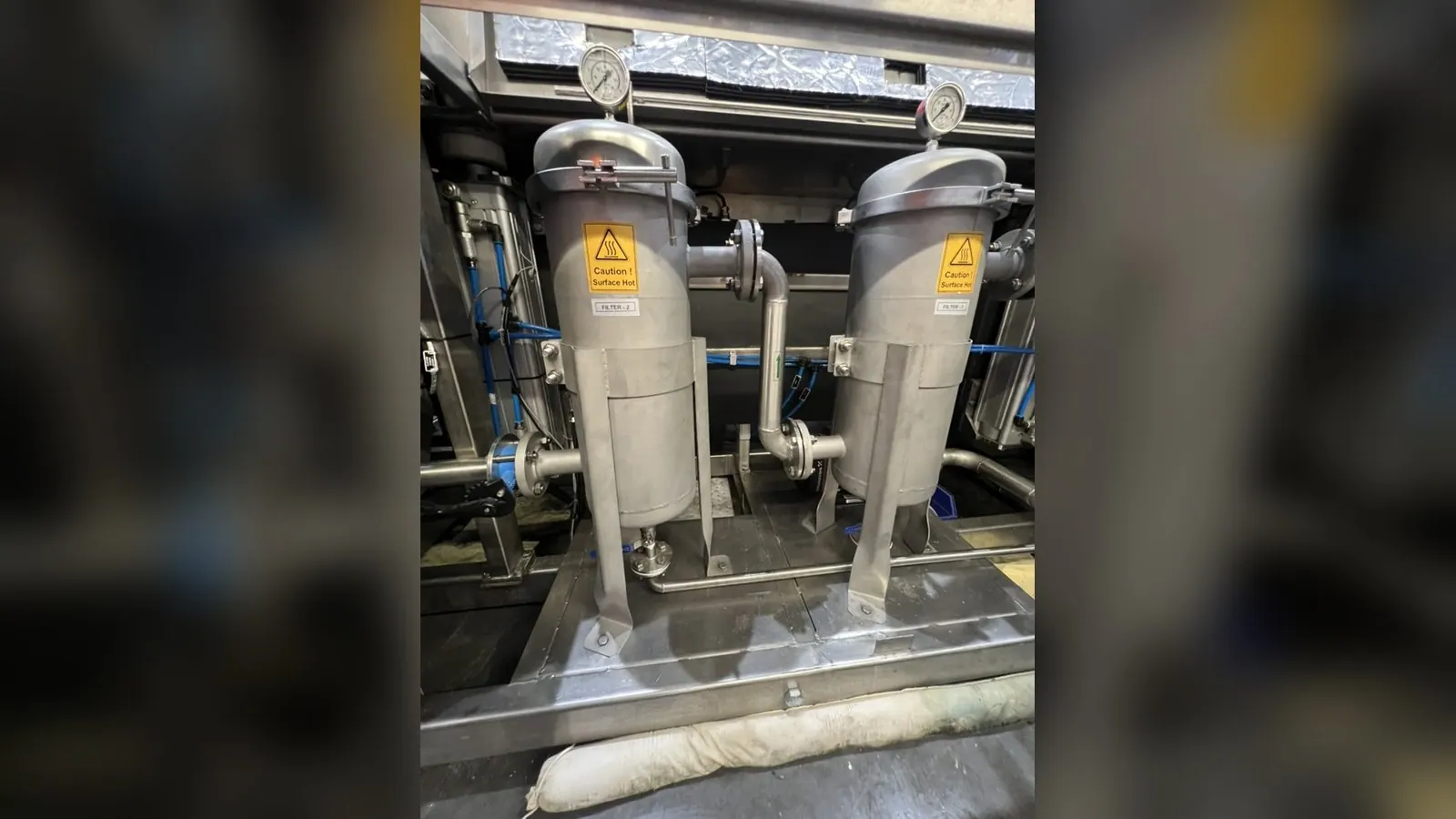
Heavy-duty industrial ultrasonic tank
25 kHz with sweep, heated to 70 °C, weir and bag filtration keeping removed carbon out of the bath. Sized to the largest piston in the rebuild program.
Talk to us about tank sizing →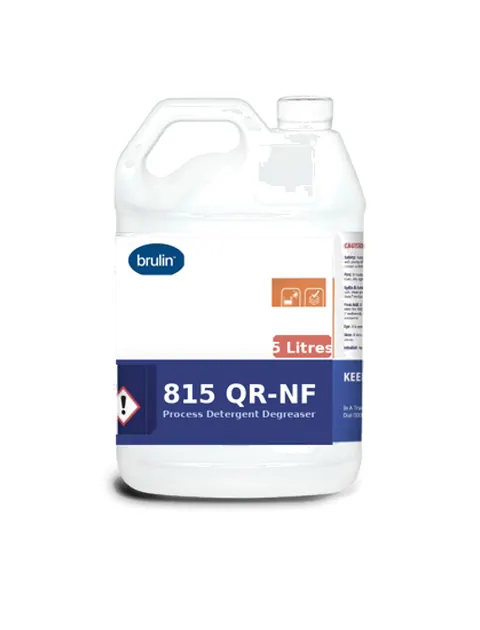
AquaVantage 815 QR-NF
The MRO-grade carbon remover in the AquaVantage range — formulated for baked and coked soils on rebuild work, free-rinsing, with corrosion inhibition.
View the product, SDS and TDS →