Every discharge deposits carbon, unburnt powder, vaporised lead and copper wash through the action, barrel and cylinder — into tolerances no brush enters. This application study documents the ultrasonic armoury process: complete fouling removal in a 5–15 minute cycle, at scale, without disassembly beyond field-strip.
The contamination
Carbon and powder fouling
Baked through the action, breech face, extractor and gas paths with every round — progressively hardening into deposits patches and brushes only polish.
Vaporised lead and copper wash
Metal fouling laid down in the barrel and cylinder throats at firing temperature — bonded to the steel, unreachable mechanically without wear.
The tolerance problem
Firing pins, extractors, springs and locking recesses foul inside assemblies. Ultrasonics cleans the assembled group at field-strip level — no detail strip, no lost small parts.
The process
| Parameter | Firearms | Brass cases (reloading) |
|---|---|---|
| Frequency | 40 kHz | 40 kHz |
| Temperature | ≤ 55 °C — protects finishes and polymers | ≤ 55 °C |
| Cycle | 5–15 minutes | 15–30 minutes |
| Chemistry | Firearm cleaning concentrate | Brass case solution |
| After-treatment | Ultrasonic lubrication bath | Rinse and thorough dry before priming |
The results
Hardware and chemistry
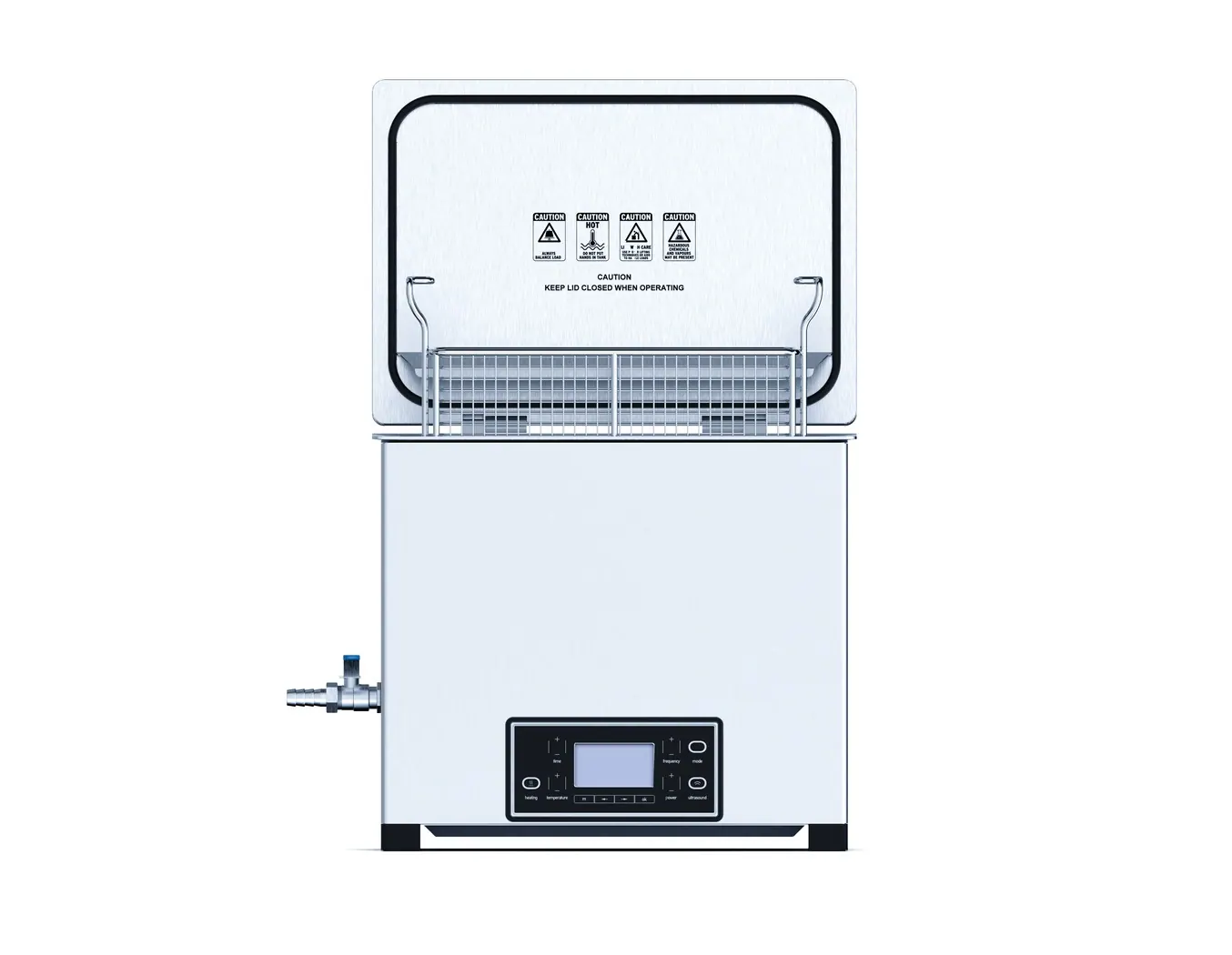
Misonics MSX bench range
40 kHz bench units sized from single-weapon to full rack throughput, with lubrication-stage tanks for the complete clean-rinse-lube sequence.
Ask about armoury configurations →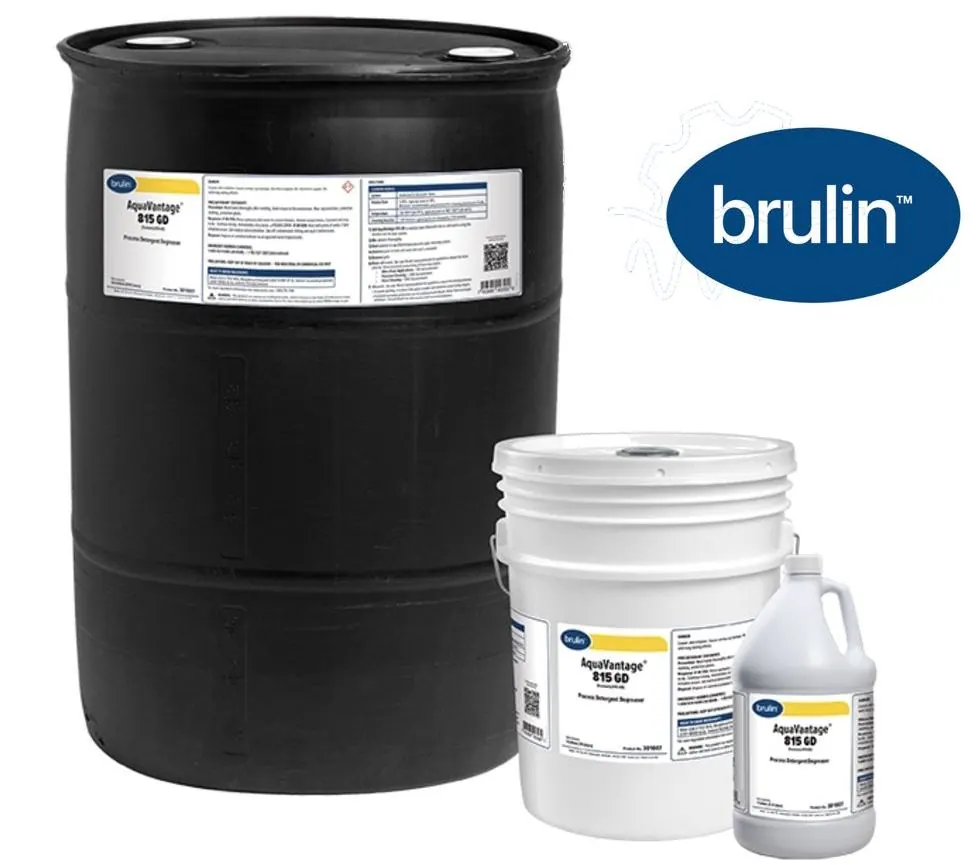
Firearm cleaning chemistry
Aqueous concentrates for carbon, lead and copper fouling, safe on steel, alloy and polymer furniture.
Browse the chemistry range →